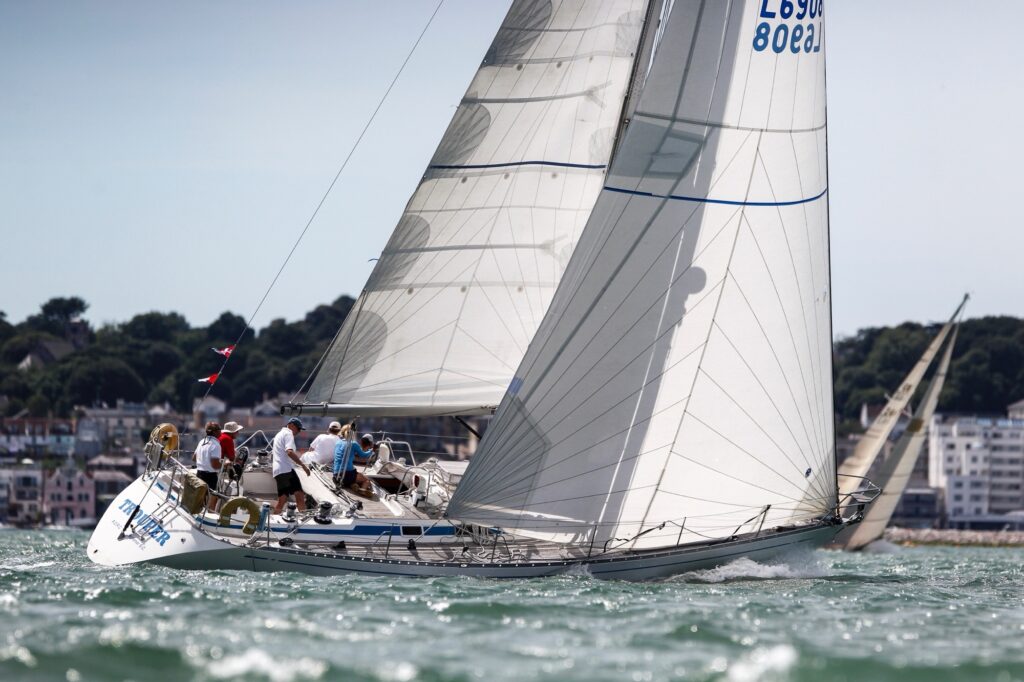
Occasional ramblings from a Swan 43
I have sailed all my life and hold a range of RYA qualifications from a lapsed Yachtmaster Instructor, through a Dinghy Senior Instructor to Powerboat and Safety Boat Instructor. I’ve raced dinghies and dayboats, raced larger boats two handed coastally and offshore, and skippered fully crewed offshore racing boats for Fastnet campaigns and inshore regattas. I was part of the RNLI’s busiest lifeboat crew at Tower on the Thames from 2002 for 23 years. I’ve mainly cruised in the English channel, from Amsterdam to Trinite sur Mer and the Scillies, and a little in Mediterranean on charter boats . My partner and I have owned Trouper, a Ron Holland designed Swan 43 built in 1989 since late 2013.
You can find Trouper’s current location and passage information here.
Maintenance
-
Fresh Water pump rebuild and new mounts
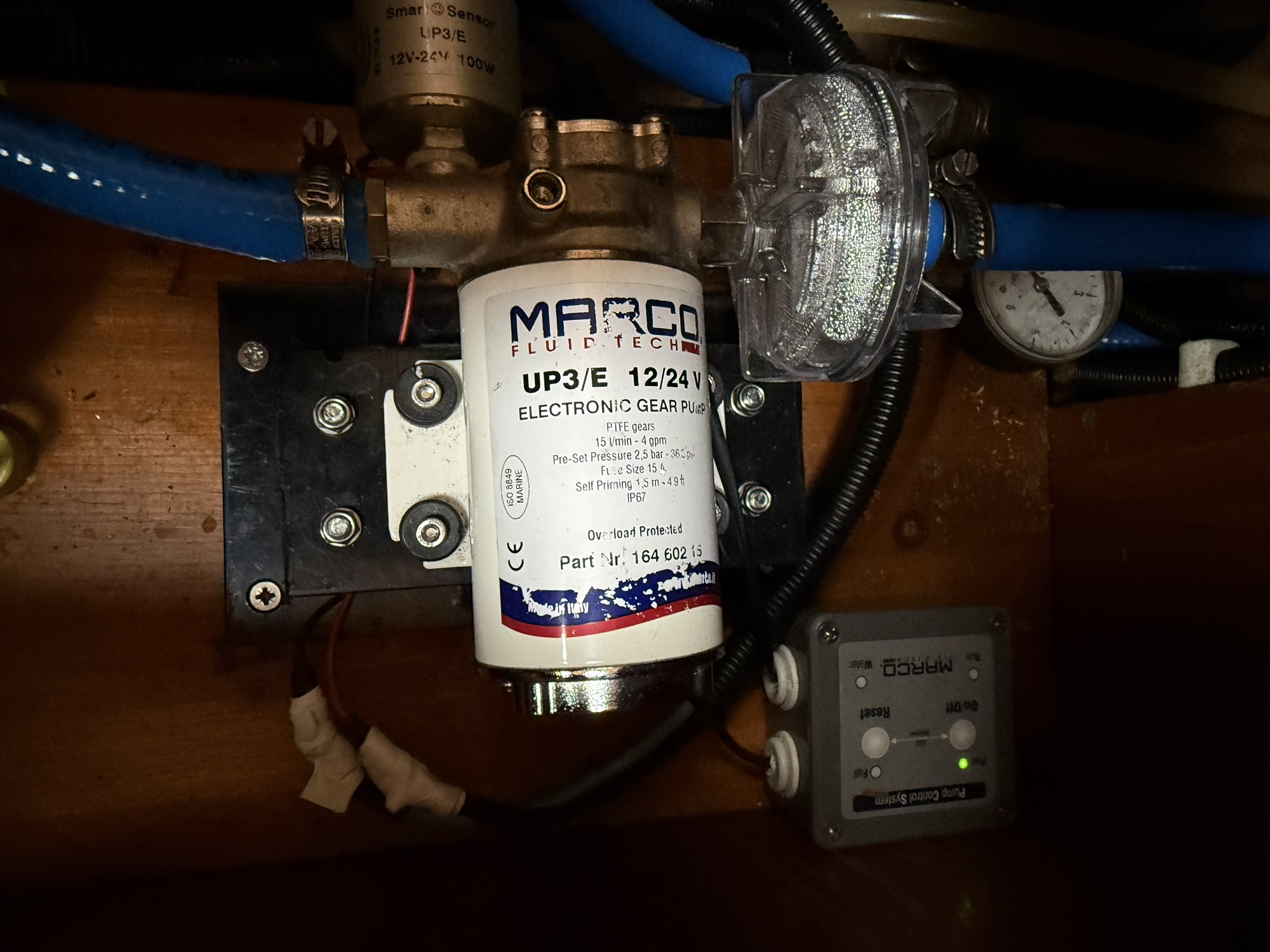
One of the spring jobs that I’d not written up but what has made a huge difference is some work on our freshwater pump. We have a Marco UP3/e gear based pump. It’s excellent and varies it’s speed to match the flow demand. I’d hoped it would self prime, but in our installation it doesn’t…
-
Pigstick Mk2
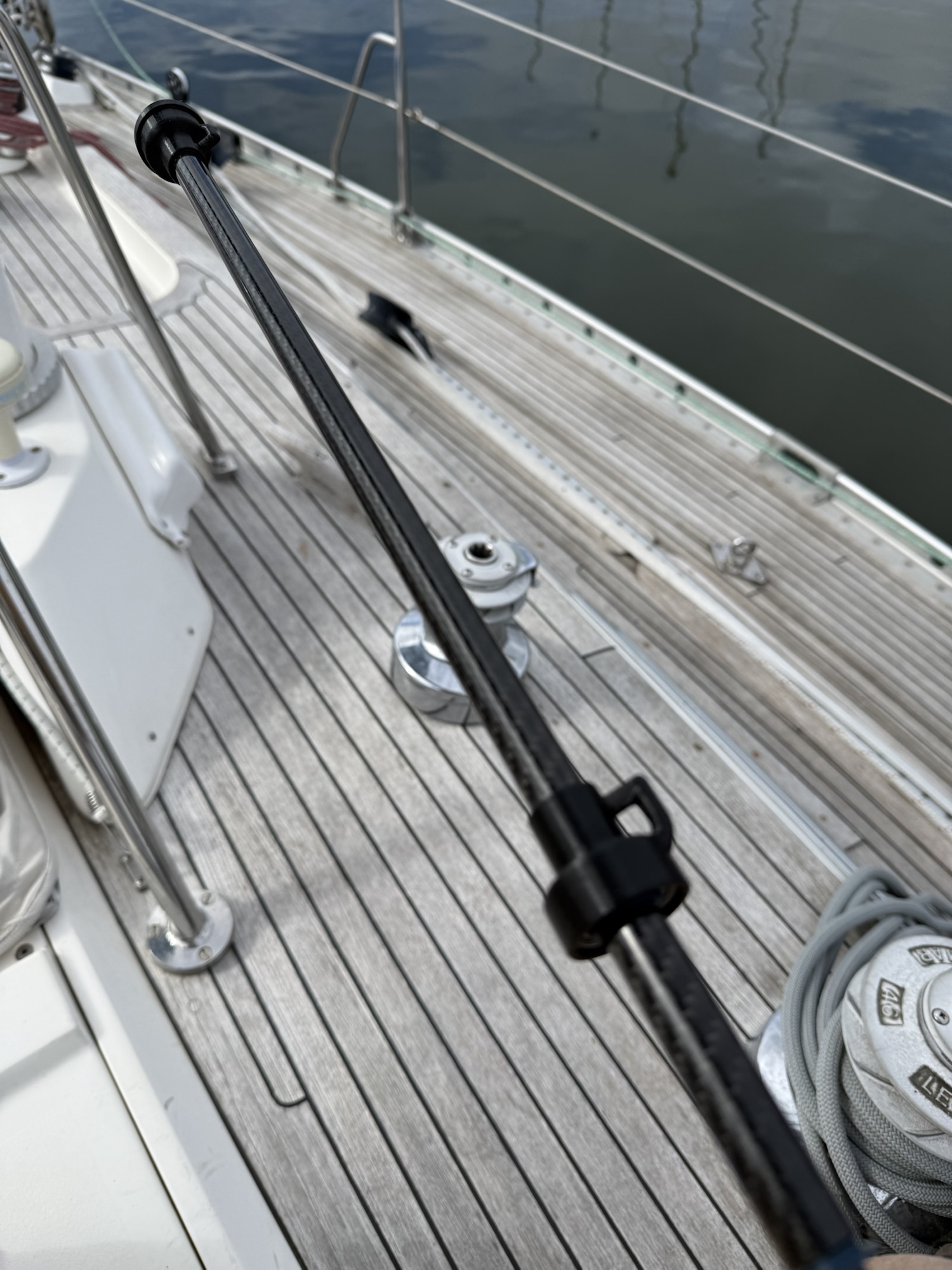
I was very pleased with the pigstick. It did the job beautifully. But as we left Cherbourg it seemed not to be turning so freely. Once out of the harbour, on the way home, I lowered it to see that was going on. It turned out that the lovely roller bearings that I’d thought were…
-
Toilet pump, and other odd jobs
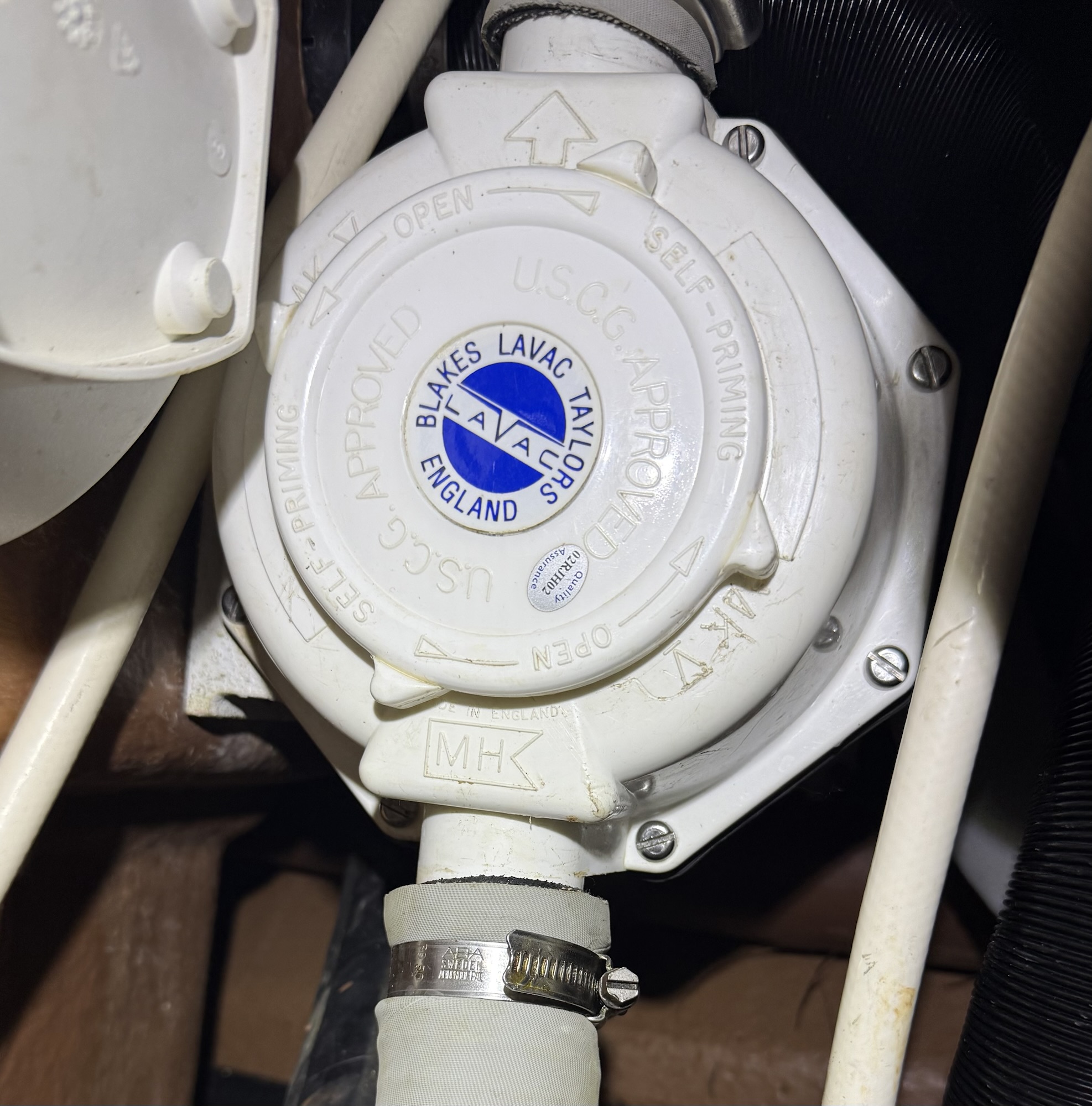
Trouper has rather clever Blakes Lavac toilets. Unlike the more common Jabsco marine toilets there is no change over valve between flush and rinse. The Lavac design simply has a large diaphragm pump on the discharge side, a high loop with a small vent on the inlet side and seals under the list and seat.…
-
Last minute maintenance
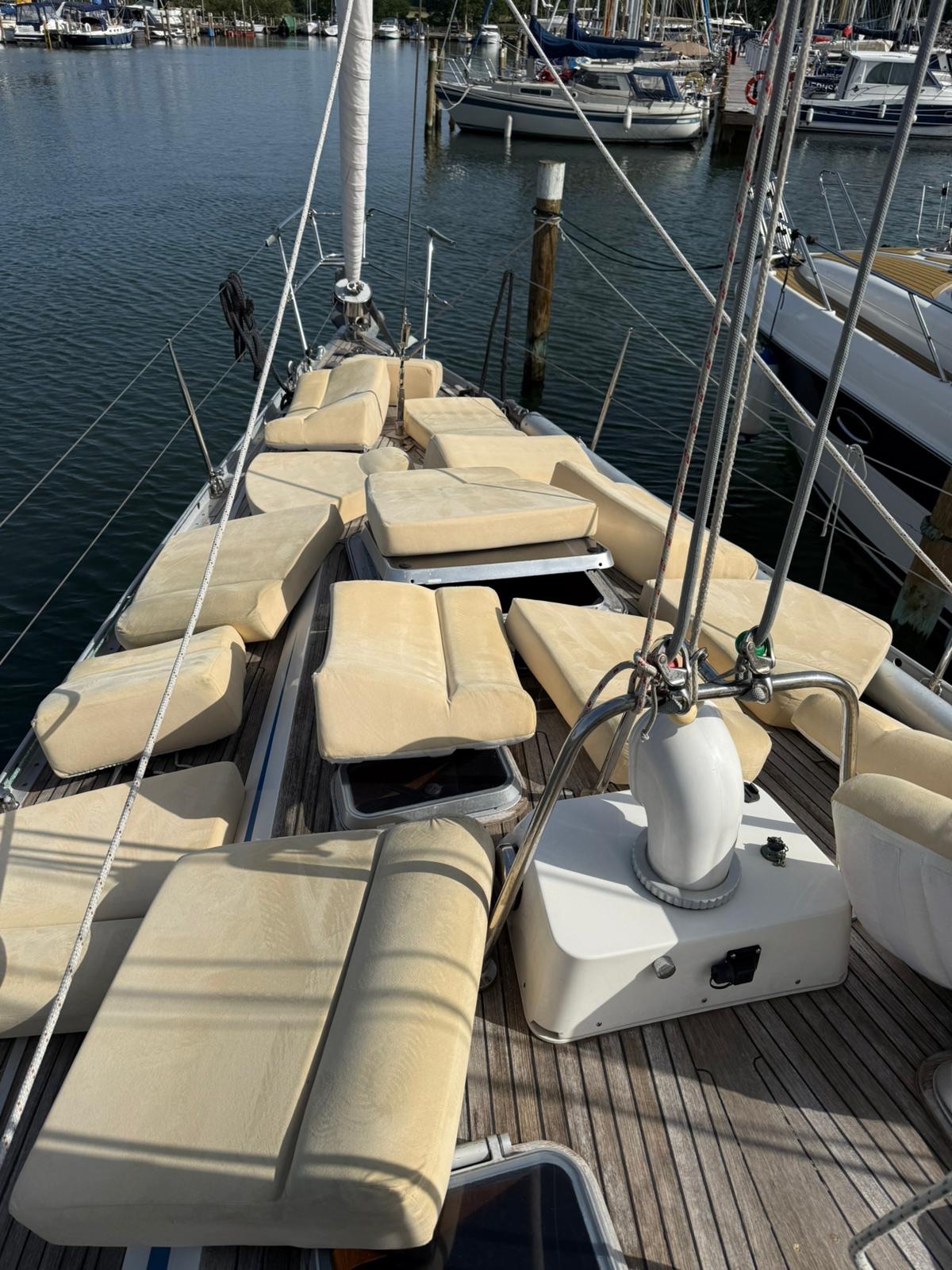
Before we could get away for the late may Bank holiday there was a pile of work to be done: the usual spring clean below and cleaning all the upholstery. I was also able to finally fix the forward bunk hinges. One had failed on each side and Nautor had supplied some replacements over the…
Trips
-
Swallows
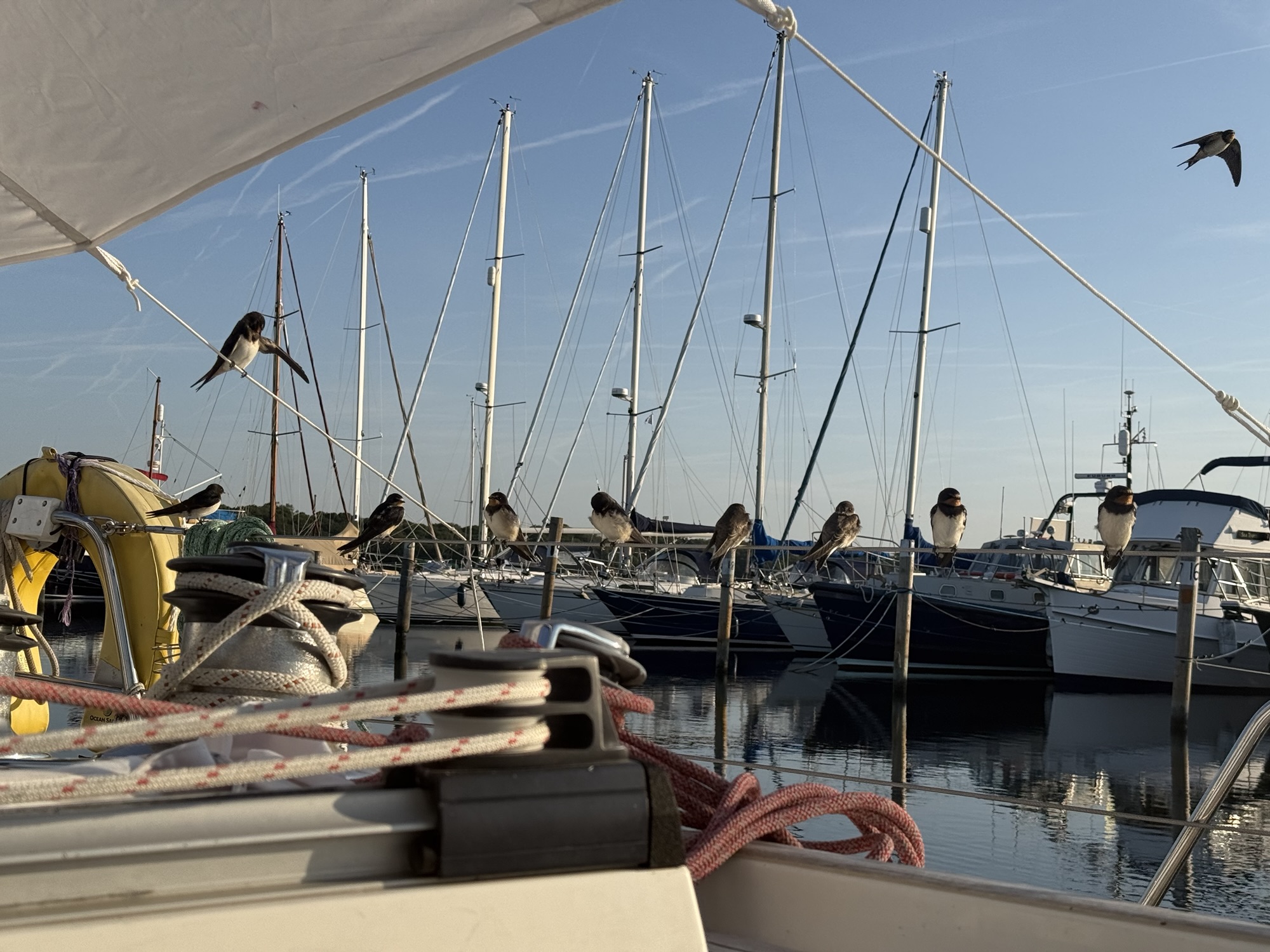
The start of our summer trip has been a bit leisurely: I’ve been slowly recovering from having been ill for most of July, so we’ve been taking it slowly. On the first Sunday morning, whilst still in Birdham, we were awoken by a lot of Swallow song. I got up to put the kettle on…
-
Working From Boat, and dodging the London heat.
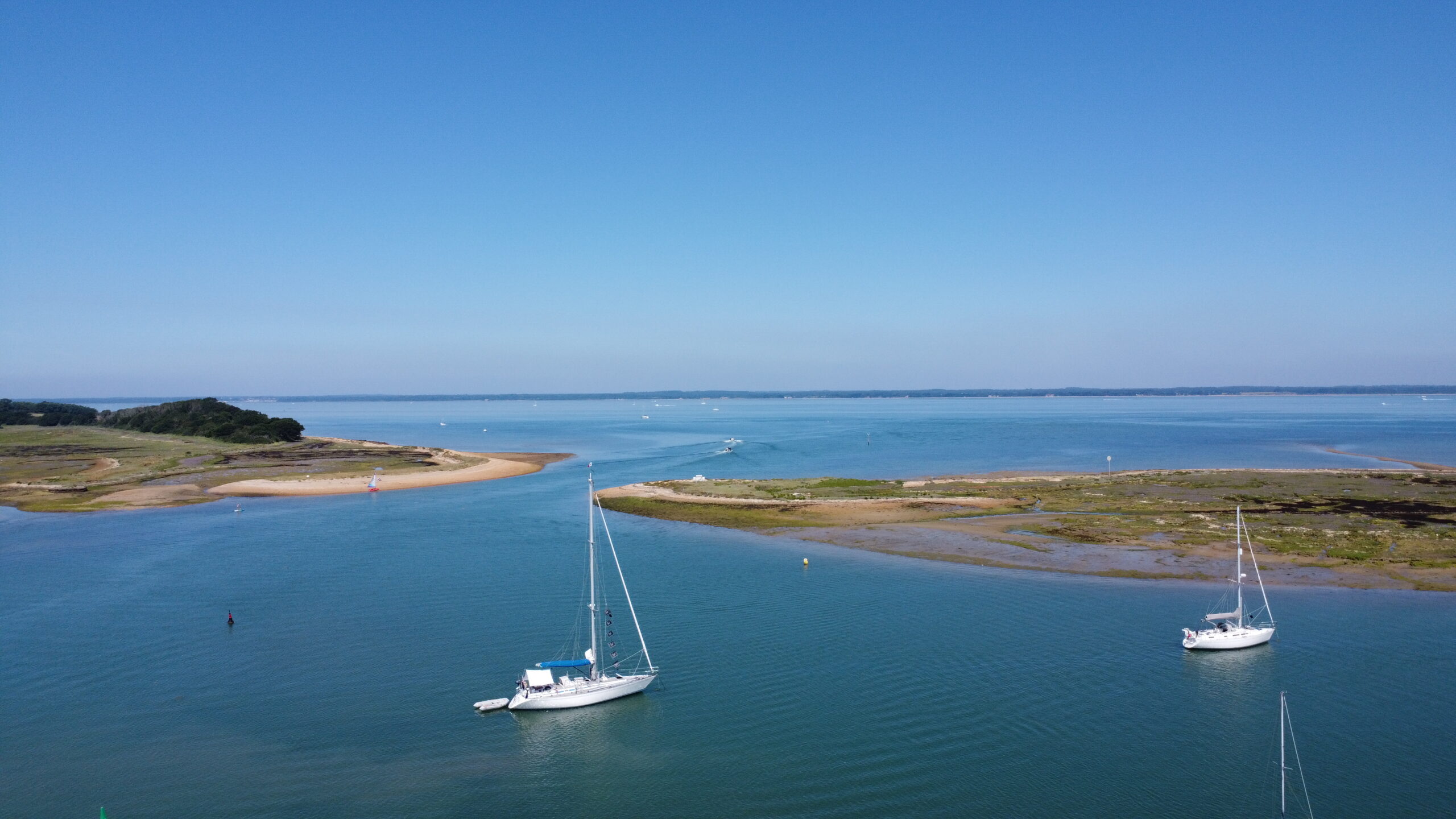
We spent the first full week of July trying to hide from the heat in London on the boat. Sunday 5/7 saw us leave Birdham for the Beaulieu river, where we exercised our RCC membership perk of a free mooring in the river. We stayed a couple of nights and on the Monday night took…
-
Watching 14s go in circles
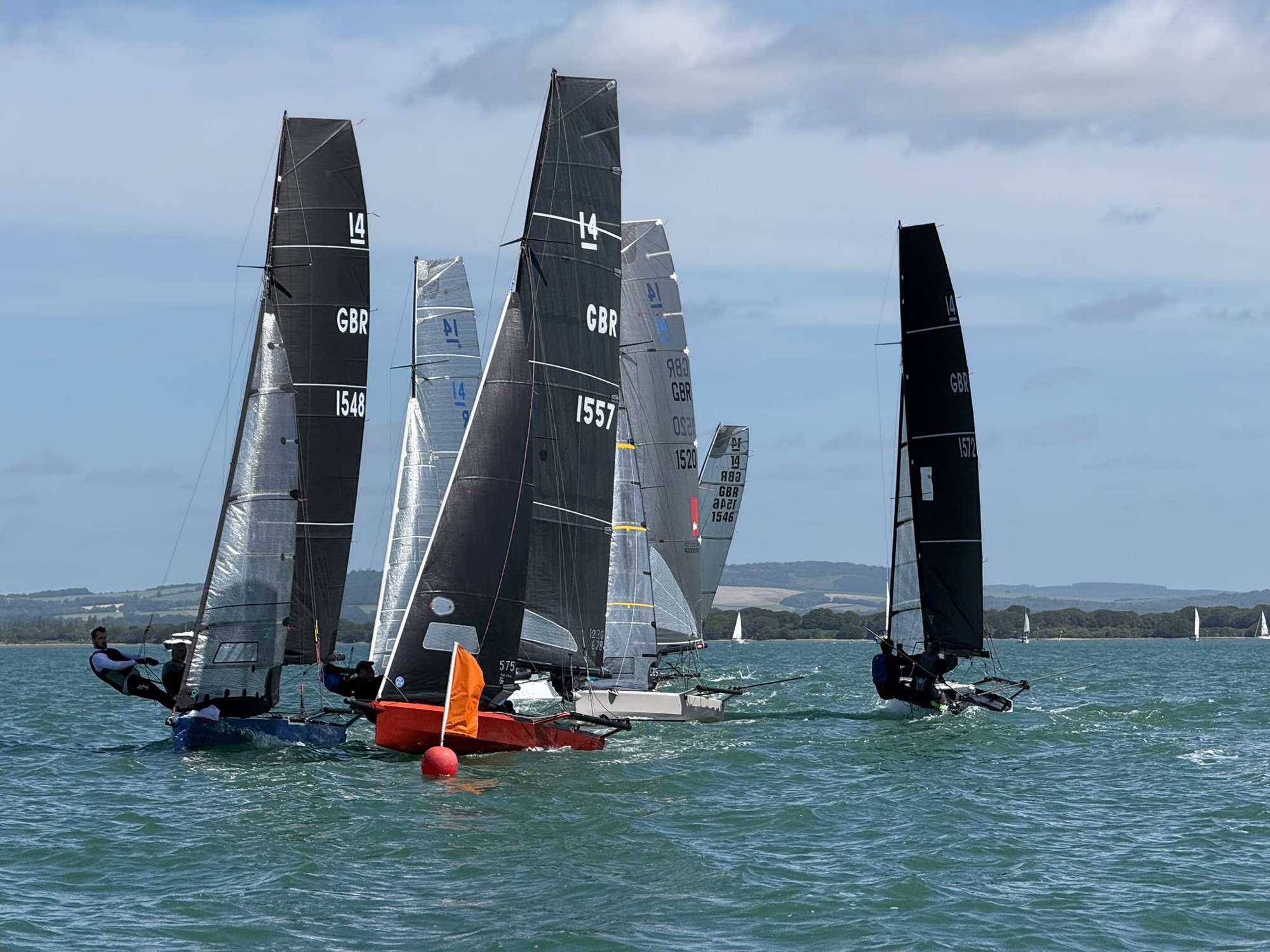
We’ve been members of Itchenor SC for about 15 years. We joined when we got involved in sailing XODs – wonderful Edwardian day boats that are raced very hard indeed. We’ve remained members partly because I’ve always planned to go back to sailing XODs when I get time, but also to support the place as…
-
Cherbourg in May
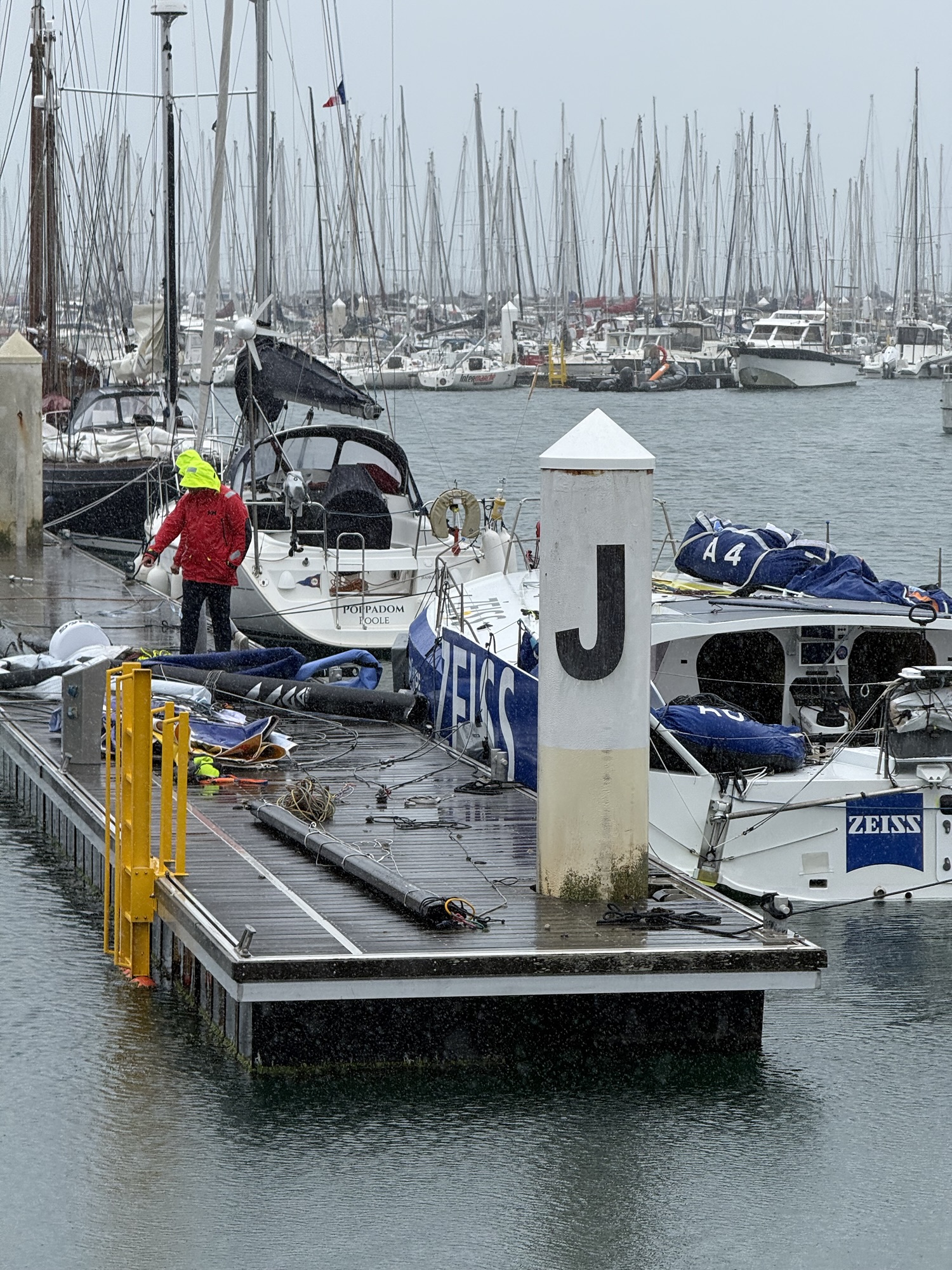
It was all looking so good – we just got onto the platform at Waterloo on time to catch the 1705 to Southampton Airport Parkway and on to Universals where we had a table booked for dinner at Riverside Social at 1945. We put our bags in the rack and sat down, just in time…
Marine Electronics
-
New Displays
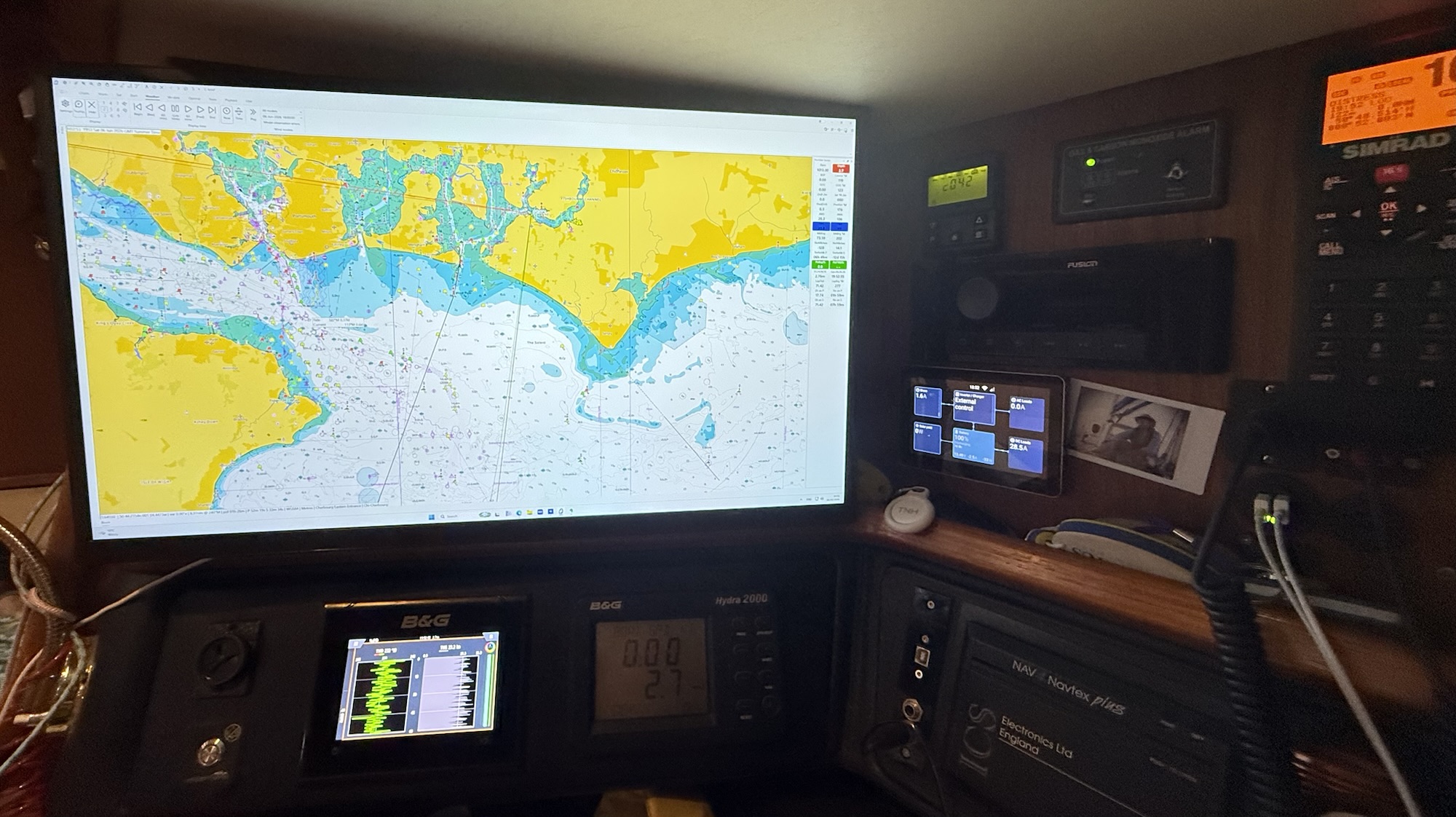
I fitted a new larger computer display to support the new radar and because the new C-Map Reveal X charting in Expedition (which is excellent) now supports 4K monitors. Removing the old radar display had left a hole in the nav station bulkhead that I had to make and veneer a new panel to fill.…
-
Instrument System Project
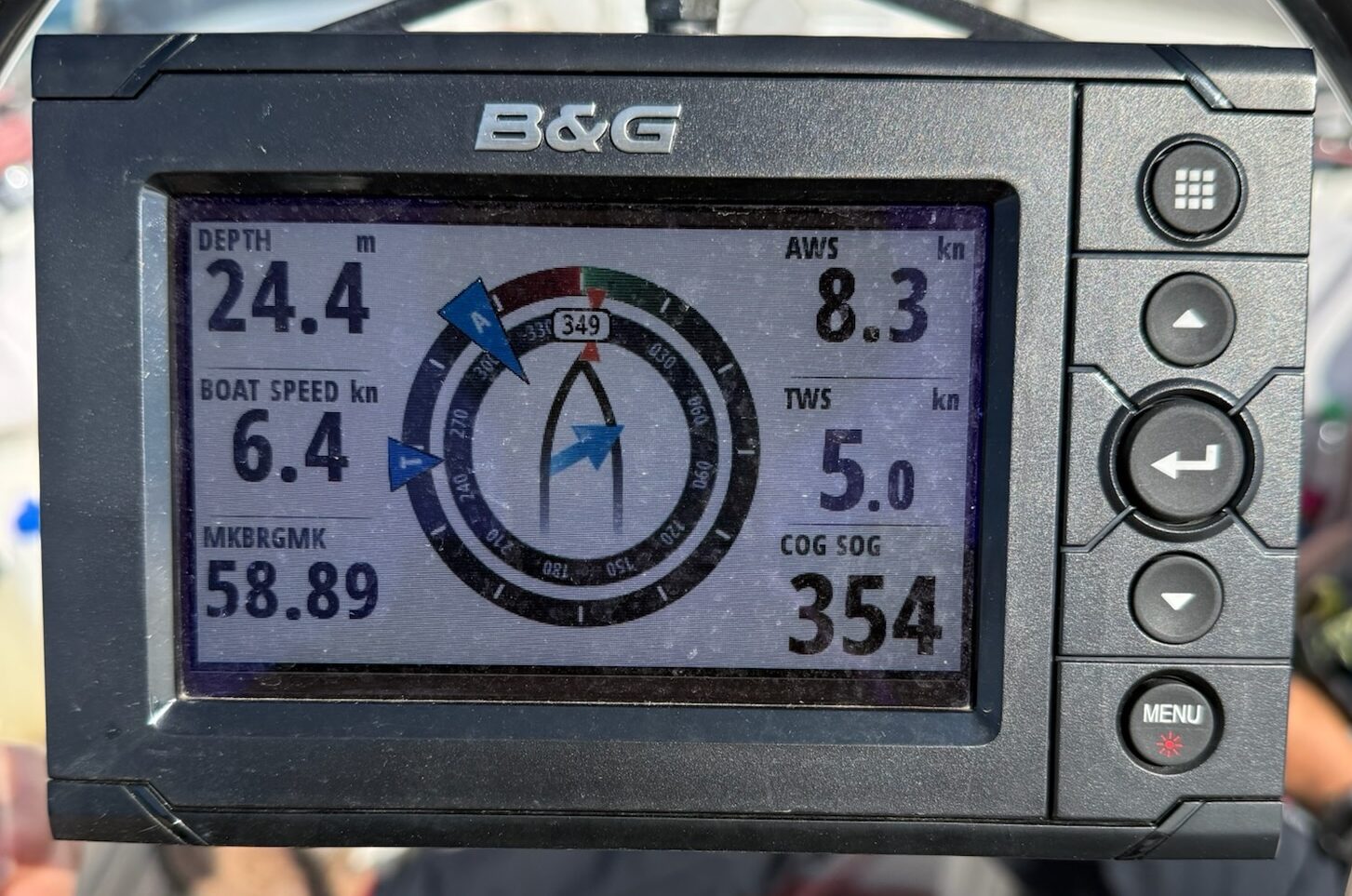
After I wrote the last post I spoke with a very helpful guy at B&G who explained a bit about the N2k/Fastnet bridge (H5000 Fastnet Interface). It would appear that it should be supplying more data to our N2K network than it is, which suggests our H2000 Performance processor isn’t correctly configured – which isn’t…
-
Interlude on instruments, and a possible project.
Sadly my man in Lymington got back to be on the pilot remote control and said that whilst they’d have a look it wasn’t really their thing. They’ve given me the details of a guy in Croatia, so I’ll try him. But it’s got me thinking a bit about how to keep the boat’s instruments…
-
Glenan and the Raz with company
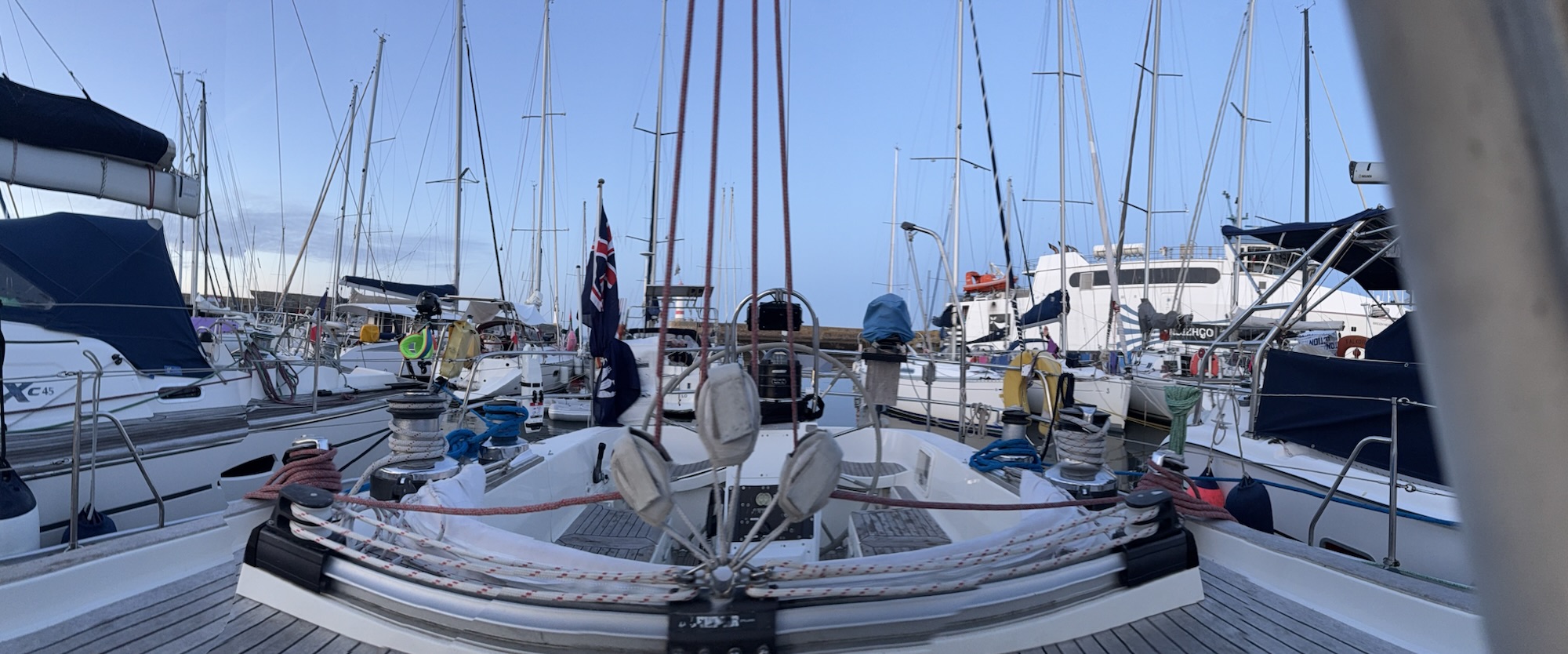
Port Tudy drove home what I’d been noticing for some time: whilst Trouper is perhaps a little larger than average around the Solent but at 43′, she’s hardly large, and 50’+ boats are common; here we are definitely heading for outsize. When we had dinner with our friend’s brother in law, a lifelong sailor, the…