Yes, I know, to own one boat is foolish, but two? And for the second one to be a wooden one at that…
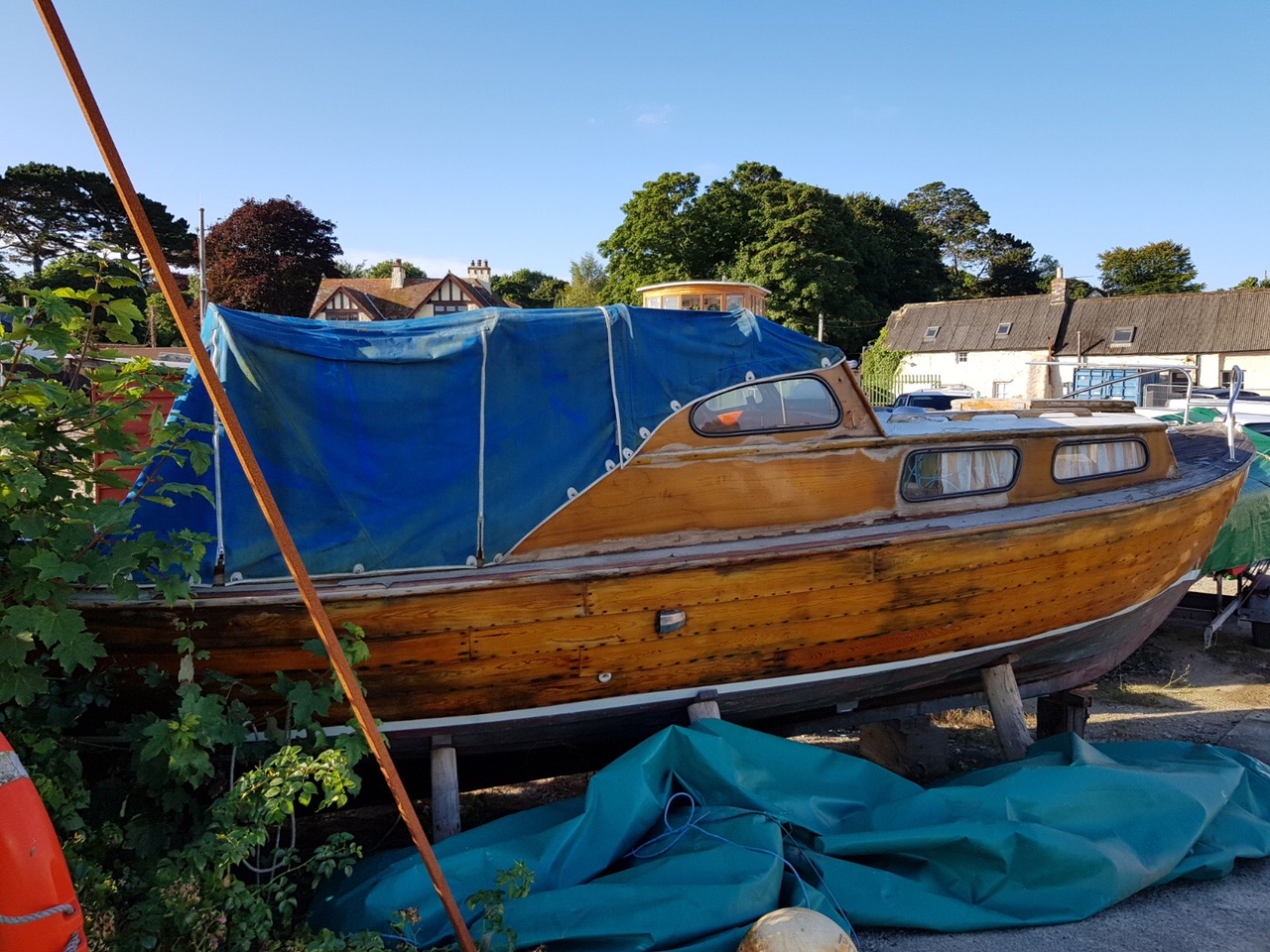
Kathryn bought Freya in 2018. She was out of the water at Cockwell’s yard in Penryn, Cornwall having been part exchanged on the purchase of a new Dutchy launch, which Cockwell’s make. She’s a lovely Norwegian Snekke. 27 feet long, clinker built and double ended, with a huge open cockpit.
We bought her very cheaply, without a survey, knowing that there were areas of rot in the cockpit bulkhead and the aft end of one beam shelf. The engine was rusty and it looked as though she’d been partly flooded, possibly with rainwater whilst on the hard. The cover was a bit dilapidated and the electrics were somewhere between basic and a fire hazard.
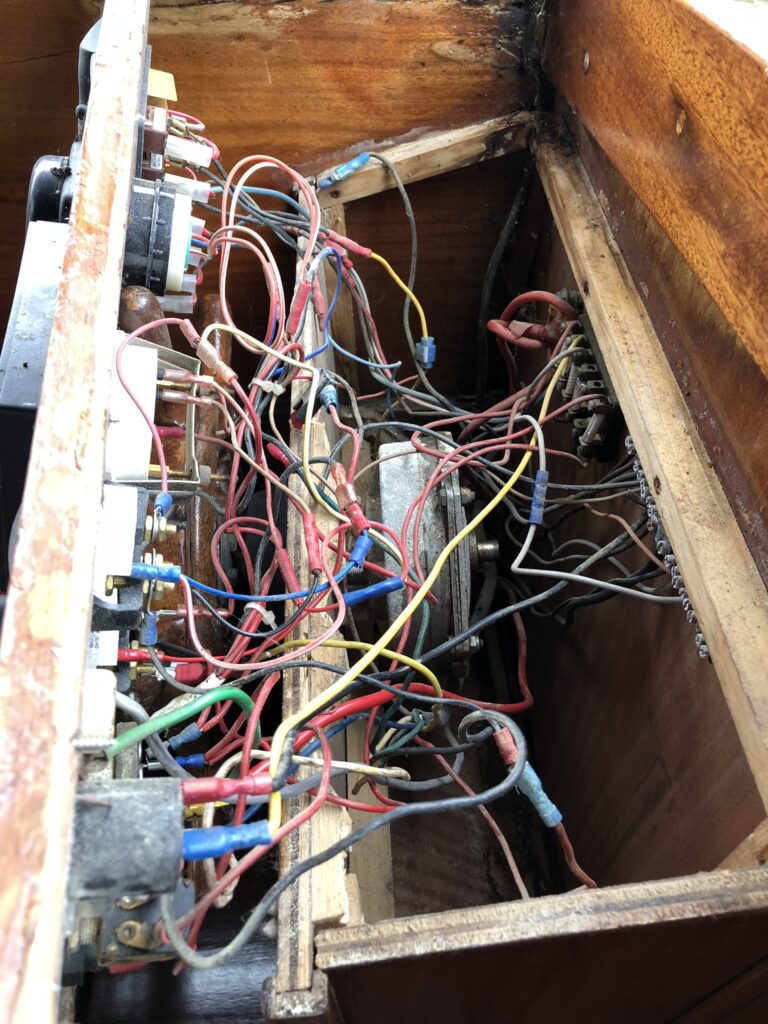
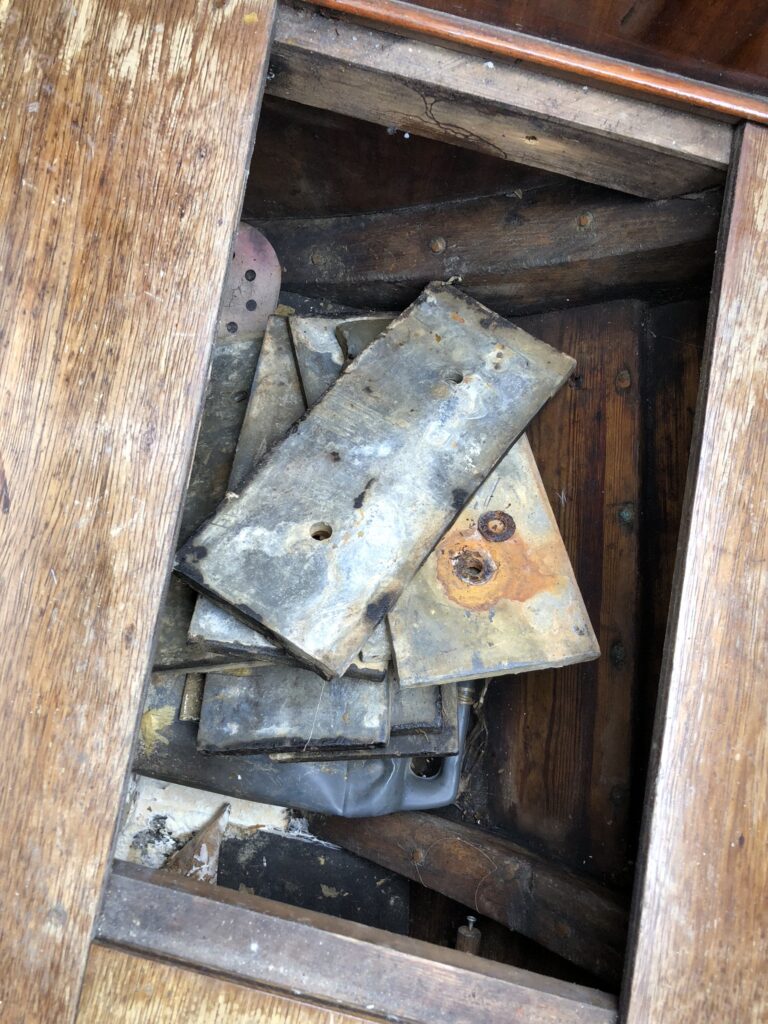
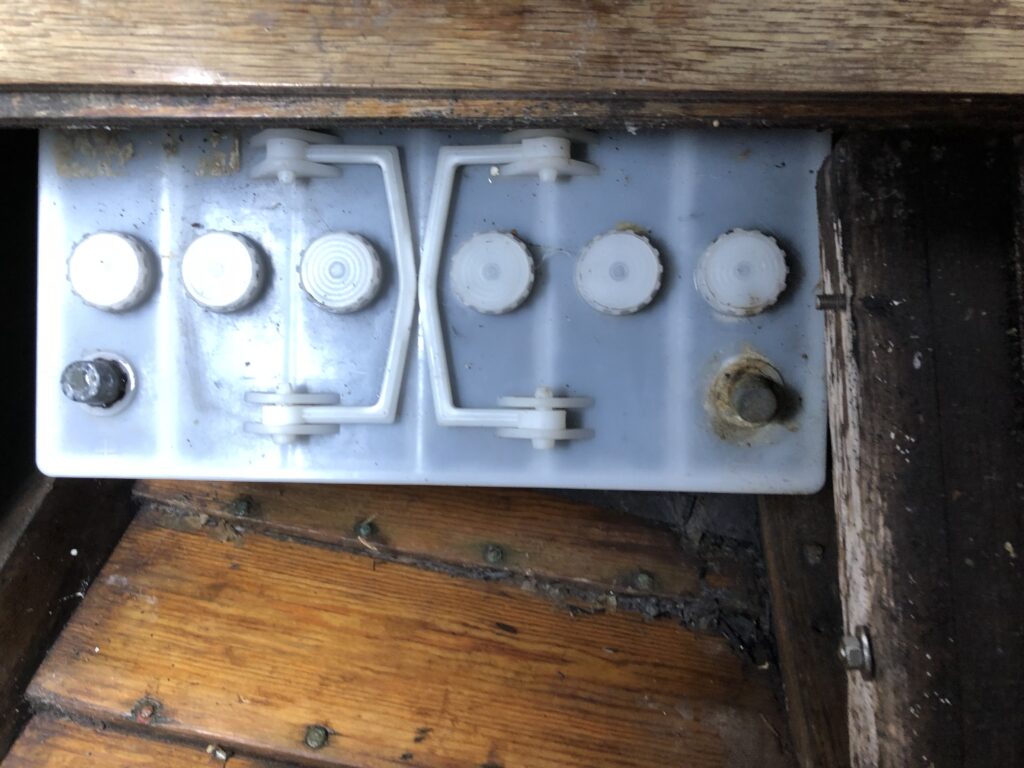
We shipped her by road to Chichester, where she spent a winter in a barn whilst we took stock. A friend, who is a wooden boat builder, had a good look at her and thought that there was more work than he could readily take on. We stripped her of lots of rubbish and old lorry batteries and buckets of swarf that had been used as ballast.
We bit the bullet and moved the boat to Birdham (when the barn was needed to store the incoming harvest) and Freya went into the back corner of Tim Gilmore’s shed, Tim is a lovely man, and former aeronautical engineer, who has run a wooden boat maintenance and restoration business for many years. I’ve used his team occasionally for varnish work on Trouper. The quality of their work is renowned, though the bills are not trivial either… The plan was that she’d sit in the back corner of Tim’s shed and they’d make progress on her as and when they could between other more pressing work in the front of the shed. Then, of course, covid hit. Their work was disrupted but Freya saw a fair bit of their attention.
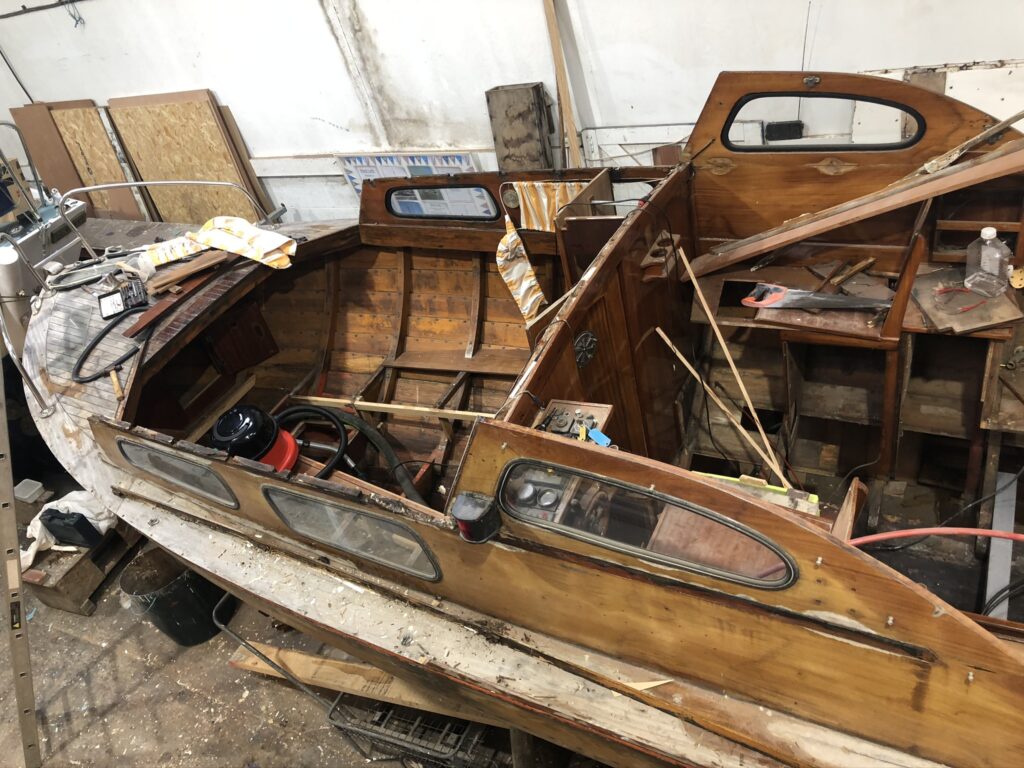
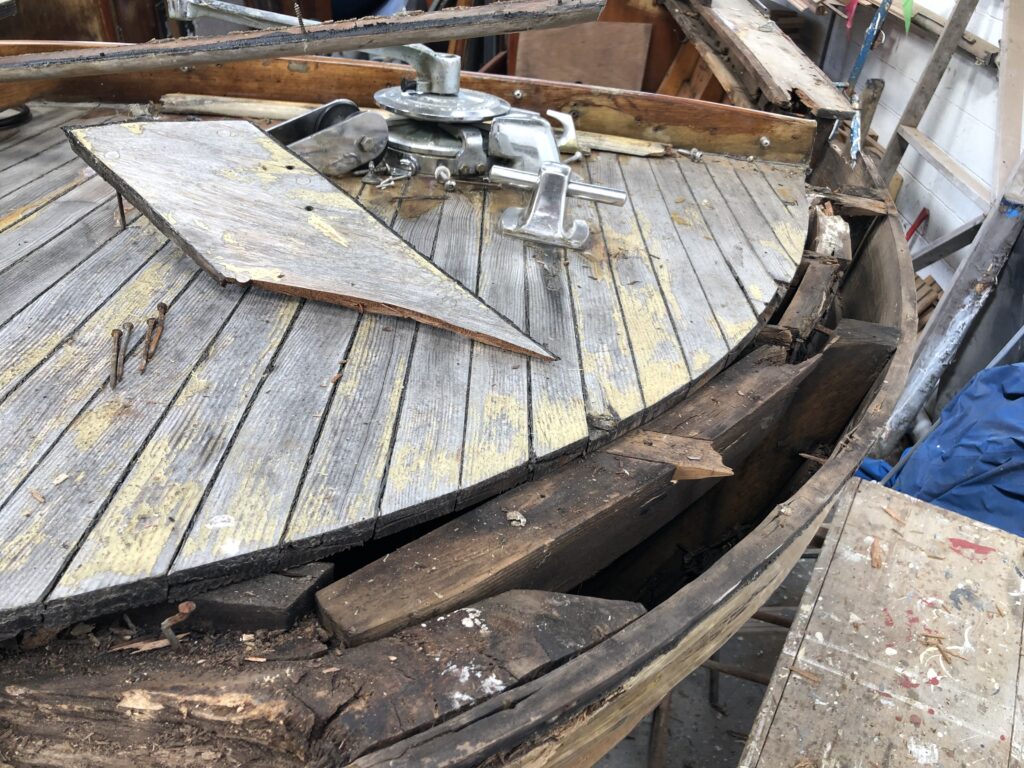
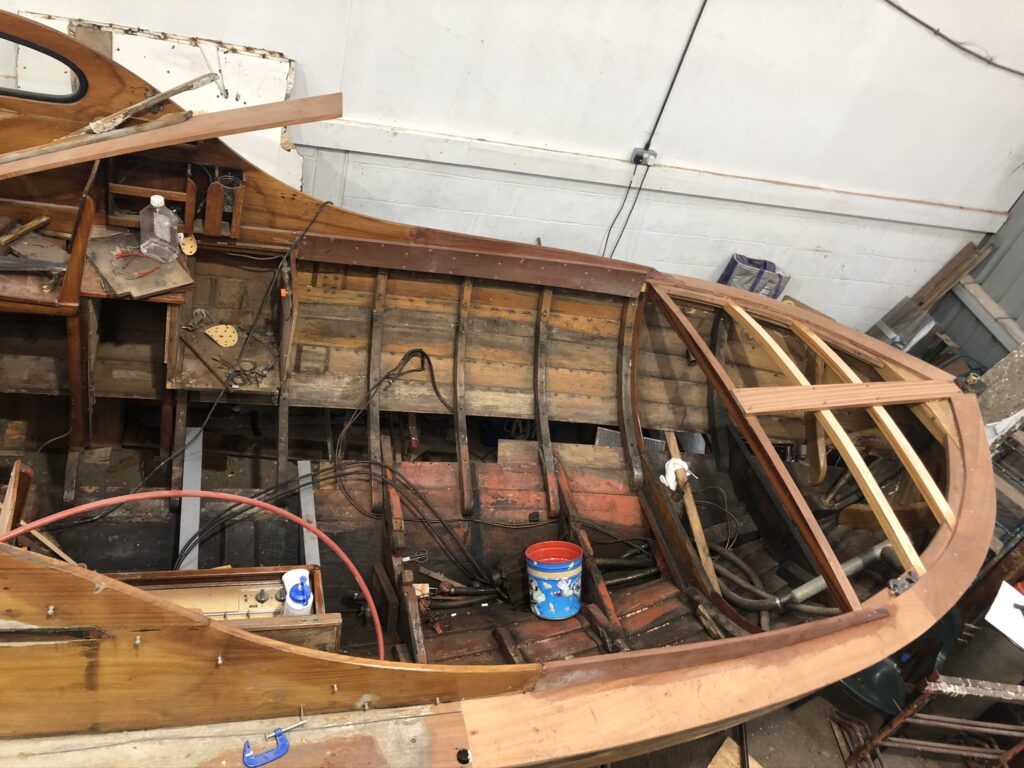
We found lots of trouble: both beam shelves (the structure that reinforces the top of the hull and supports the side decks) were badly rotten, as was the the cabin top and most of the supporting timber for the aft deck. And there were some hull planks that were beyond repair too. The frames were good as were most of the planks but some of the floors (the structures that join the frames below the deck) were rotten too.
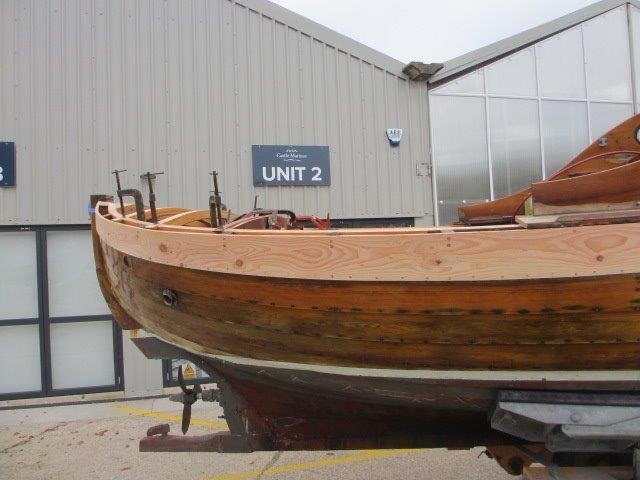
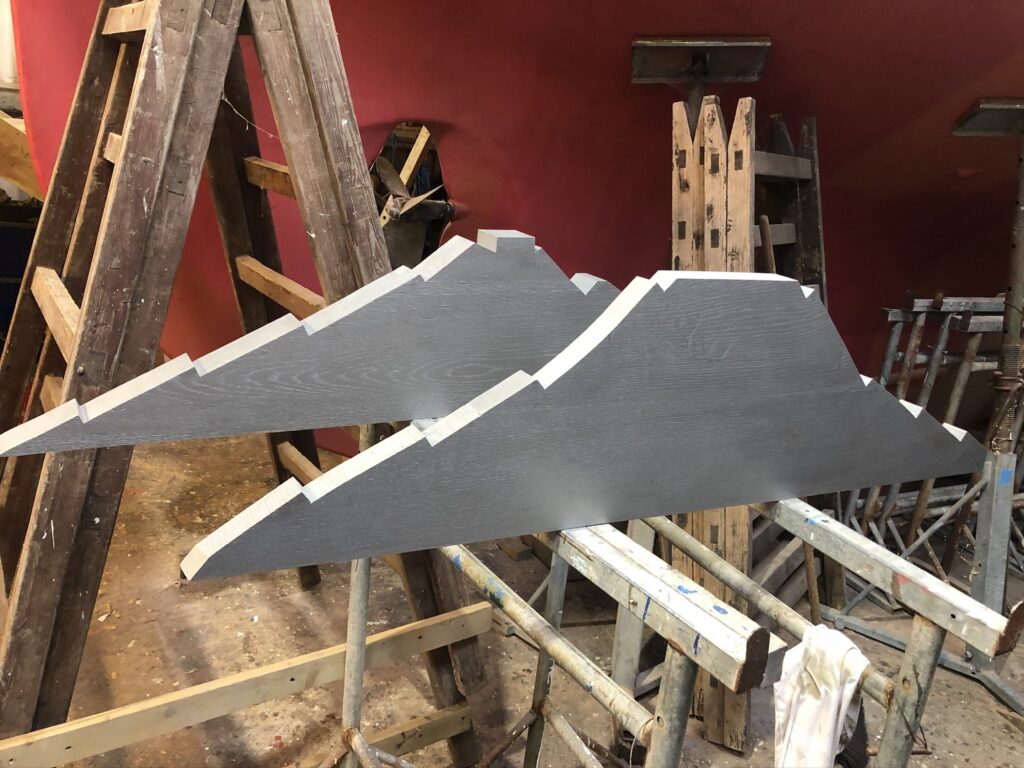
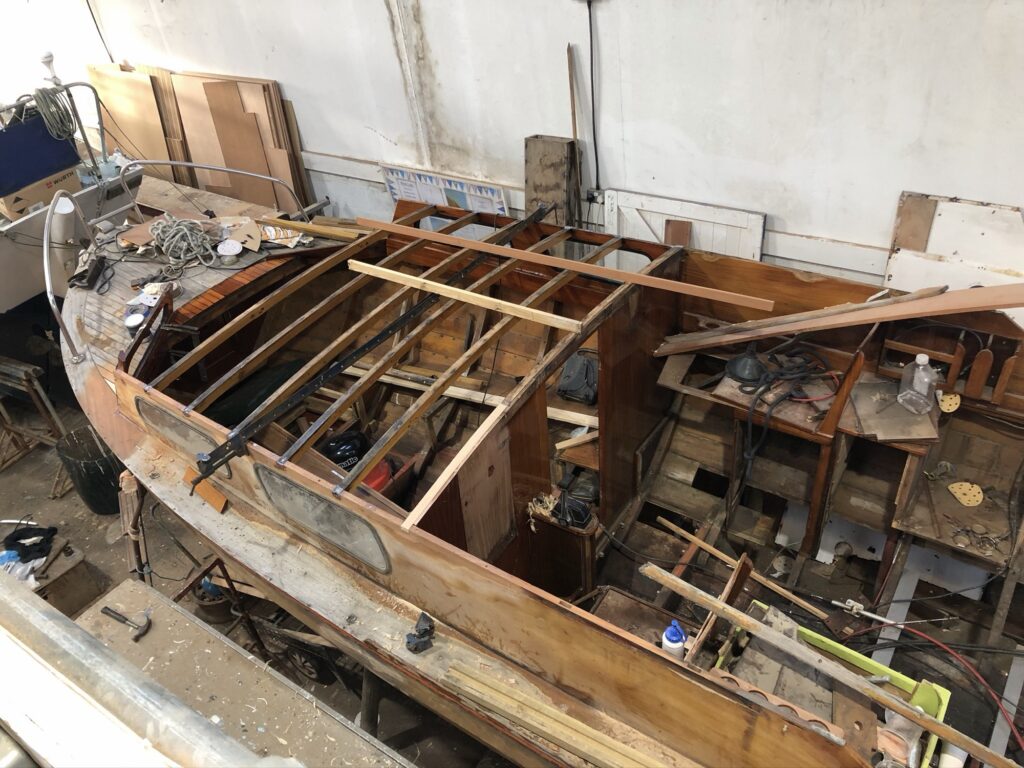
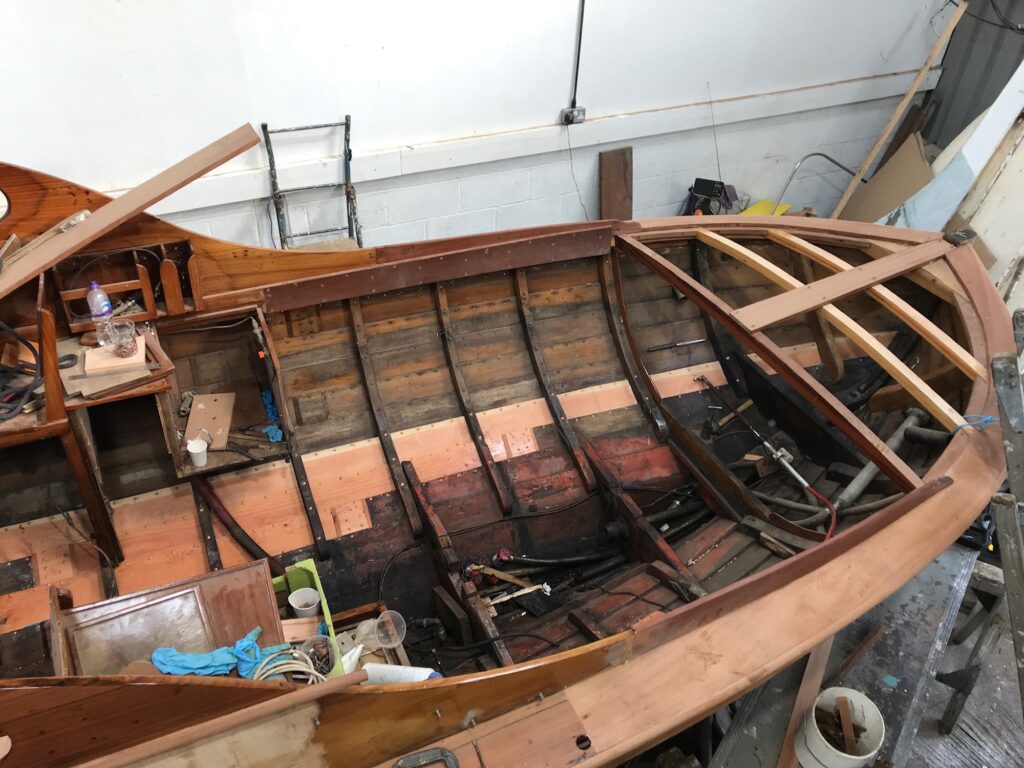
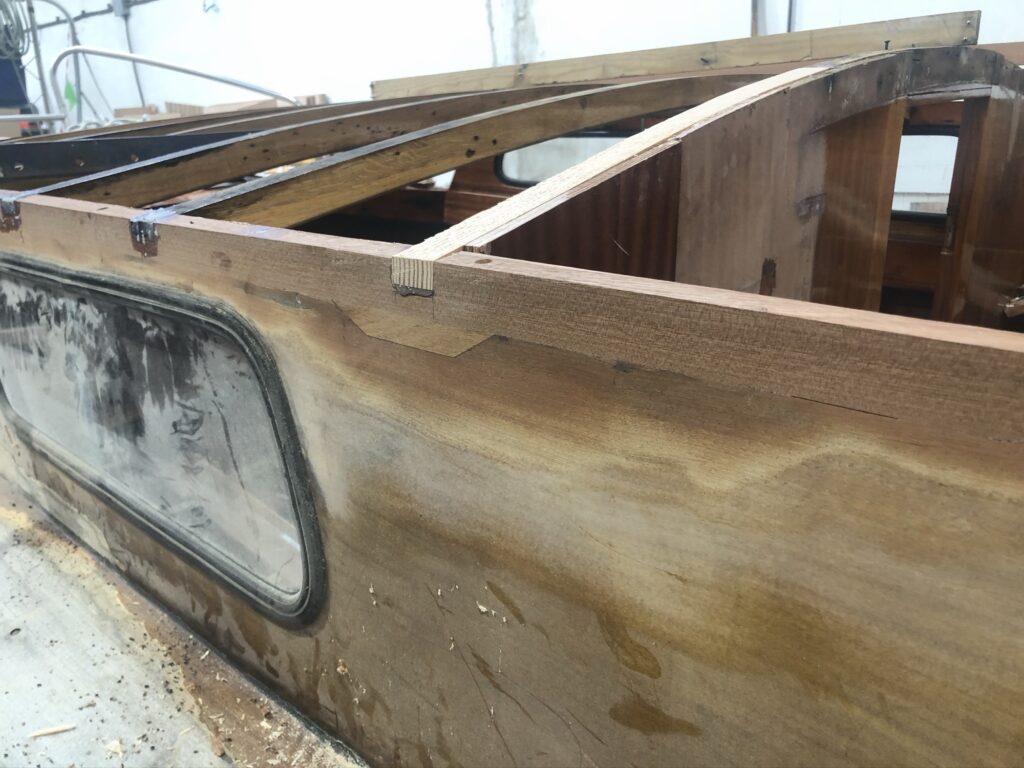
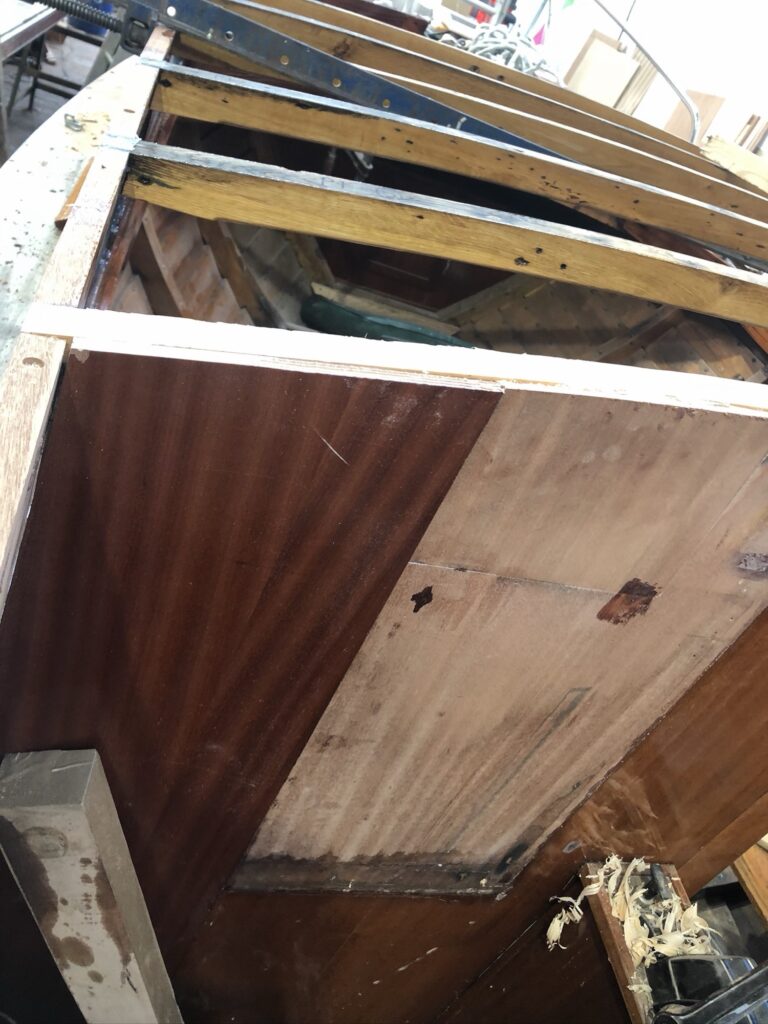
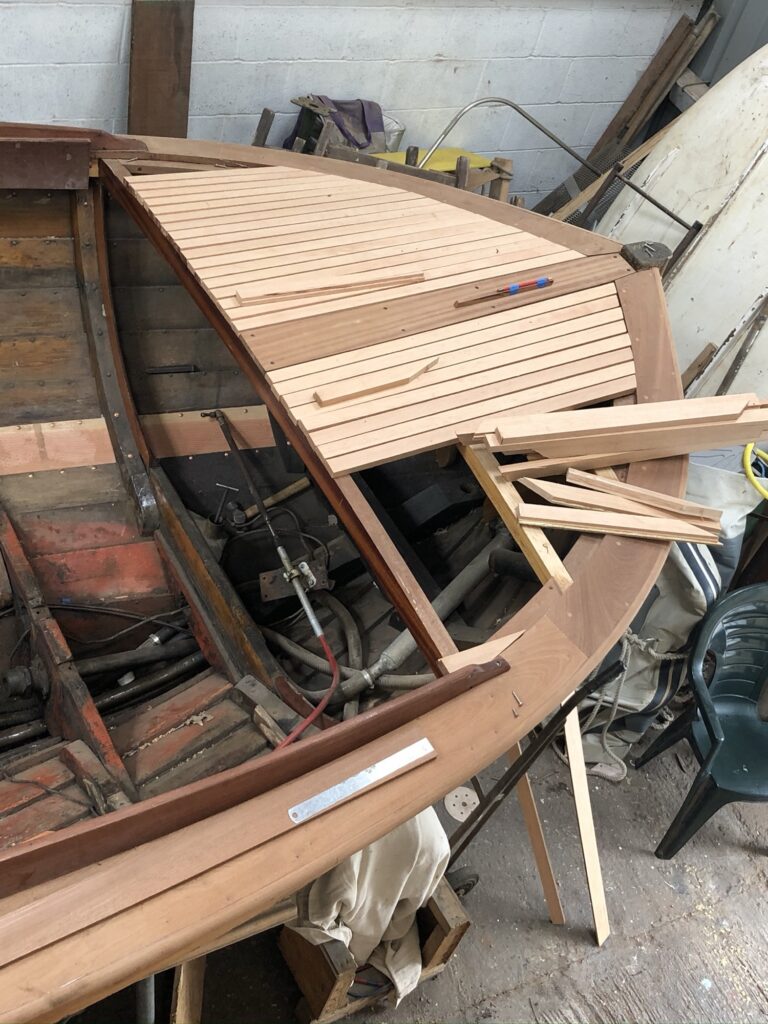
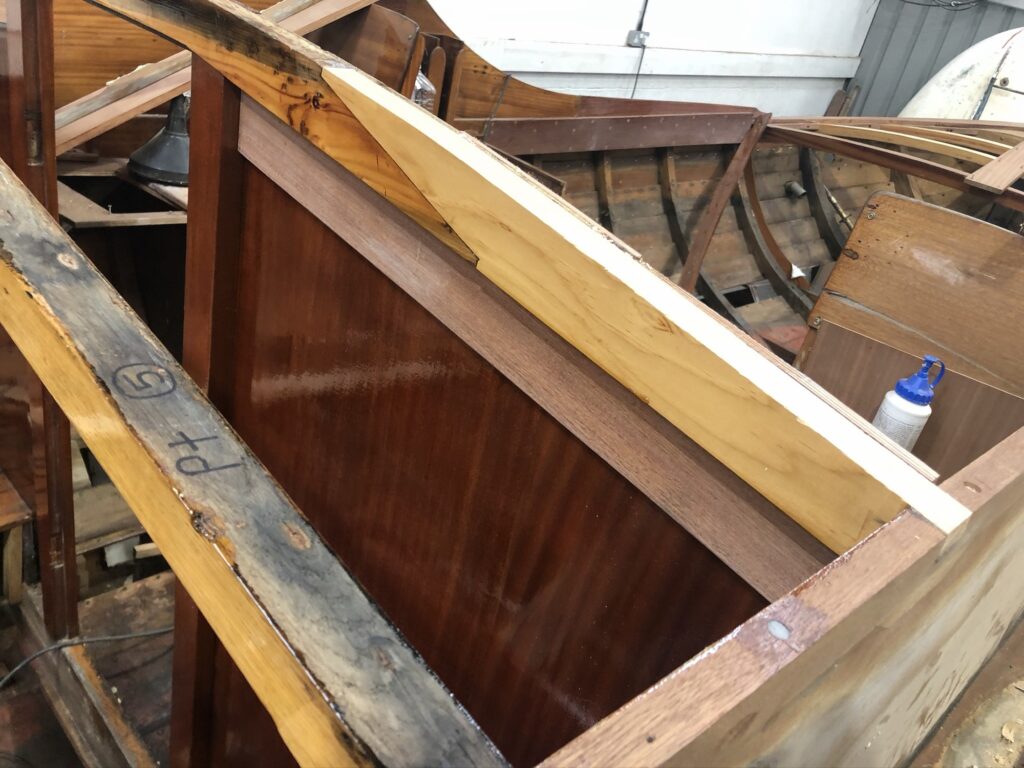
Tim’s team set about reinstating all of this and produced a lovely boat. We test launched her (without ballast or engine) and found that she was reasonably watertight (aside from a couple of leaks) despite so long ashore. We also realised why she’d had so much ballast: she was very very tender, and floated on one side or the other, with her keel nearly on the surface.
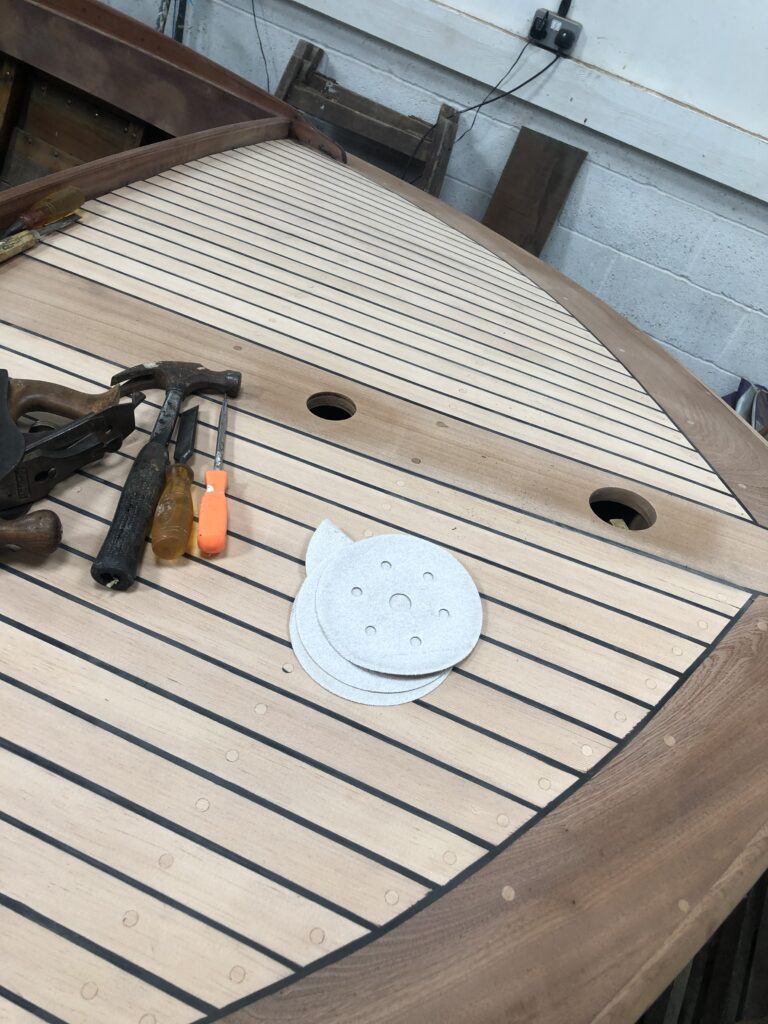
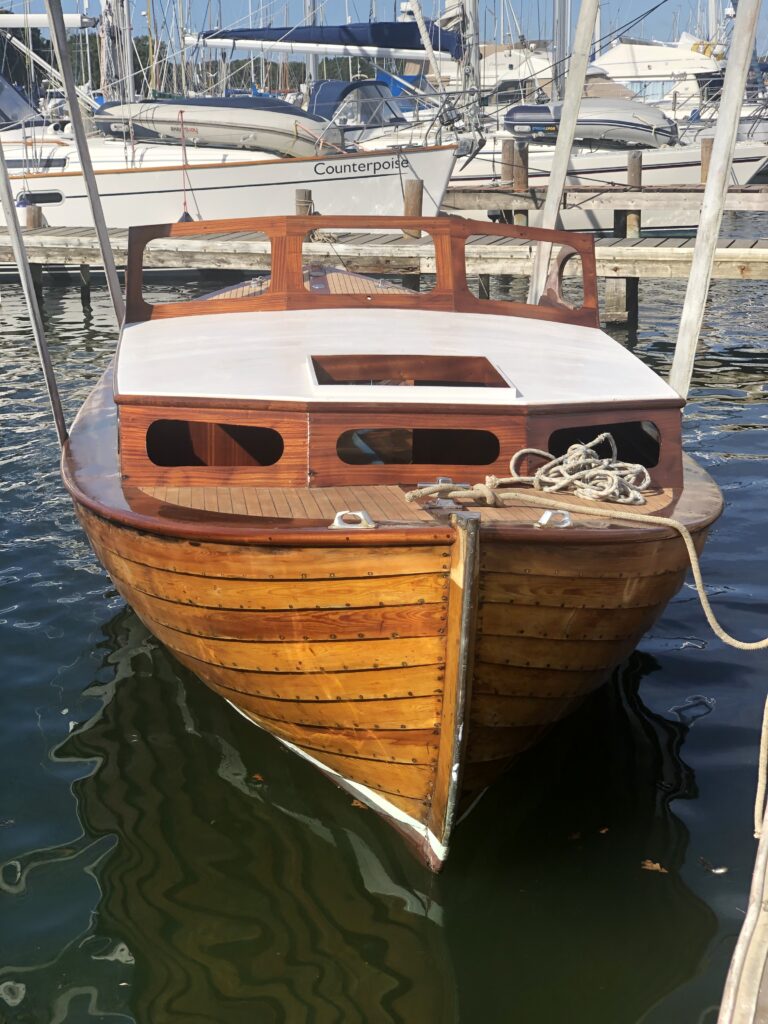
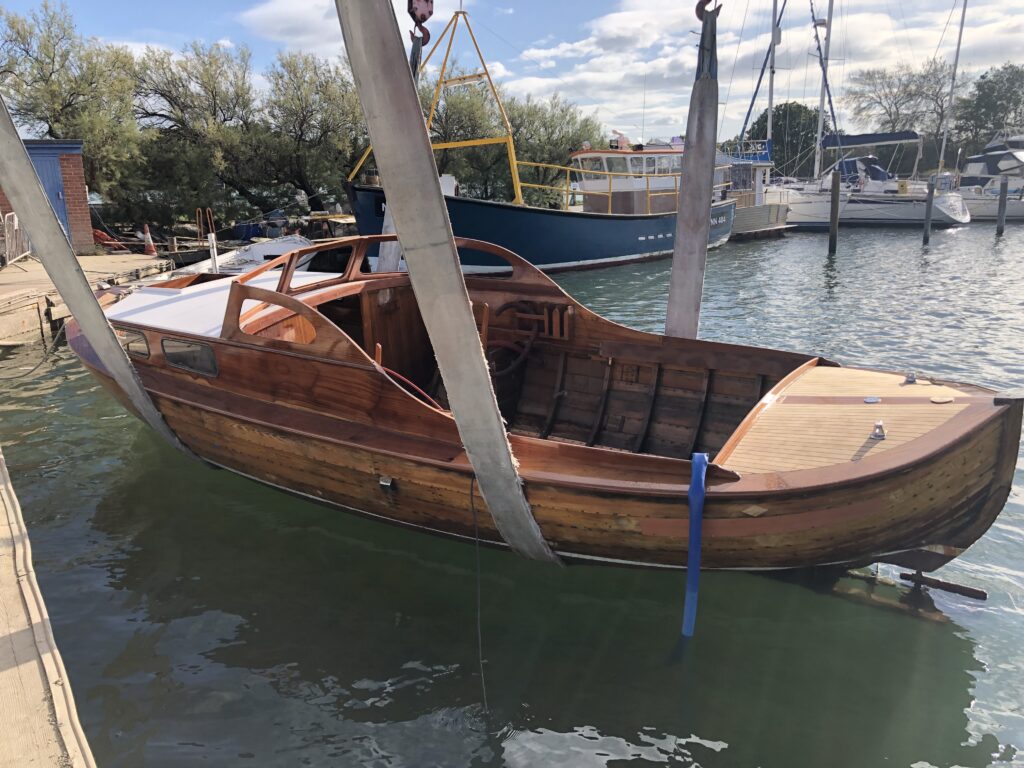
She came ashore and we had her hull varnished and painted and it was about this point that we ran out of money. We wrapped her up under a tarpaulin and put her out into the boat yard to wait until we could finish the job.
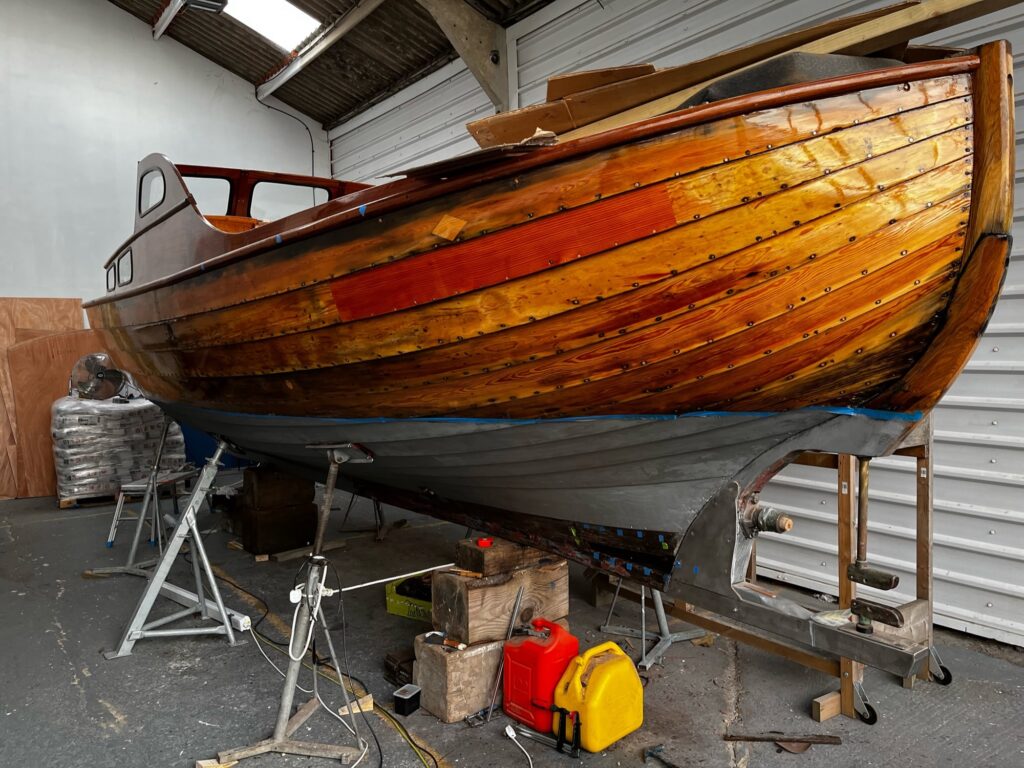
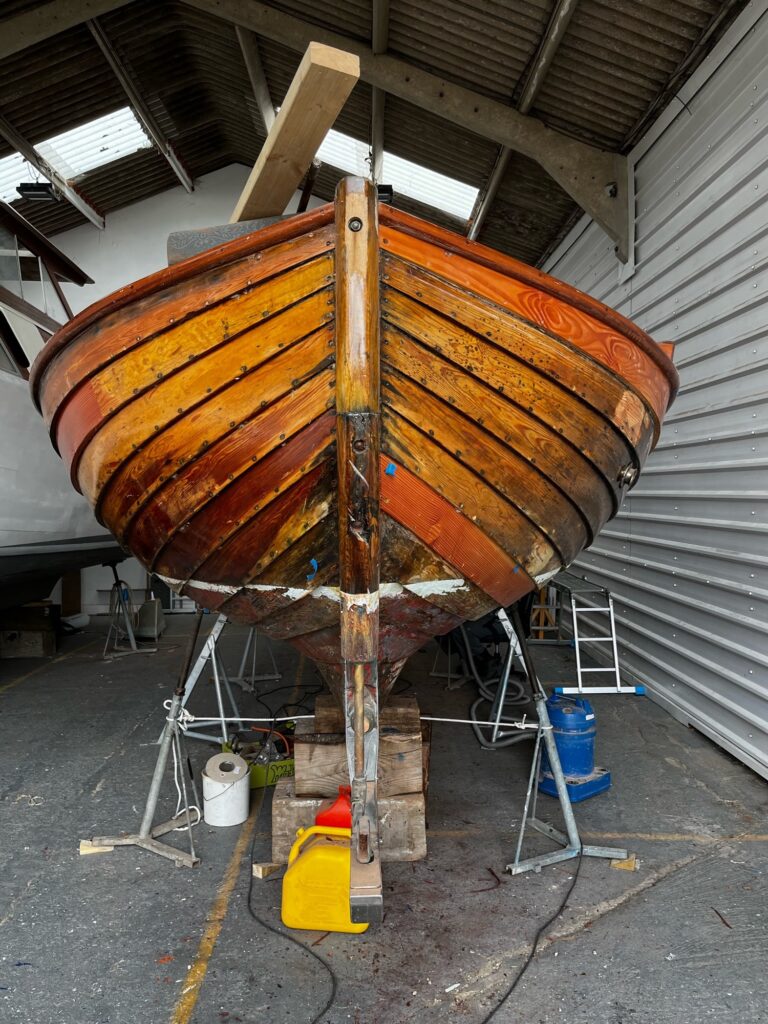
Nearly five years went by before we restarted work – we’d had other priorities, and Trouper has seen some big upgrades in that time: new lithium iron phosphate battery system, new engine and replacement rod rigging. Those have all taken time, capacity and funds. However at the start of 2026 we got things moving again.
We had her launched and she spent some time afloat in a mud berth taking up (which is when you let wooden planks absorb some moisture and expand sealing all the leaks). She had a couple of leaks, but was still quite watertight and the varnish work had held up quite well, despite five years of weather.
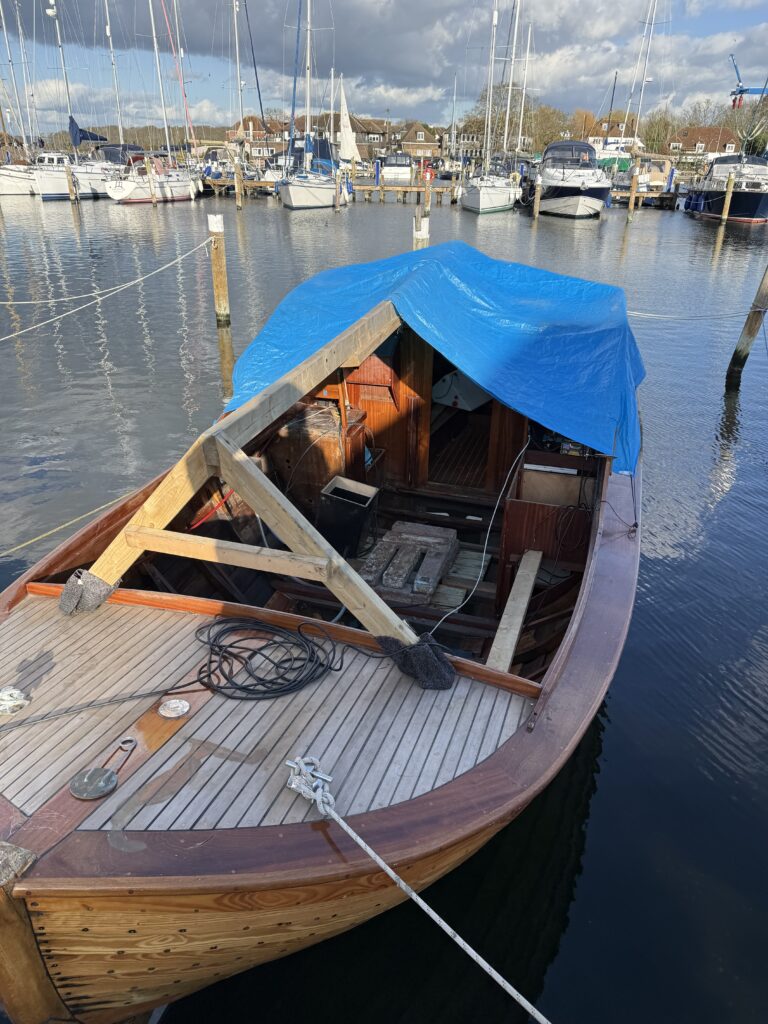
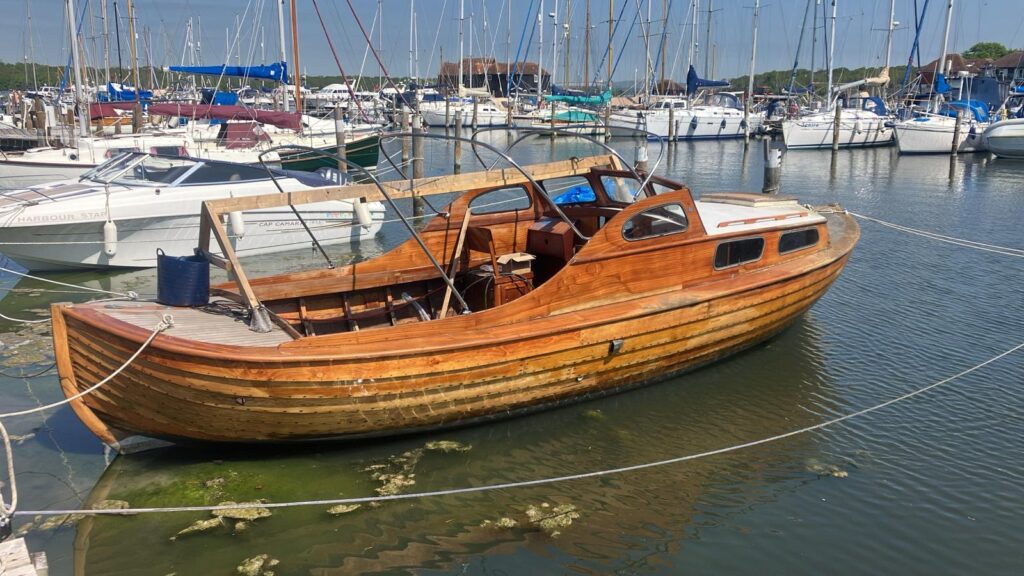
Whilst she was afloat a local fabricator, and boat owner, Rob Sissons, of Quay Metal Works, made a new frame structure for a new two part cover. We also bought a very nearly new engine from a friend, for whom it was surplus to requirements after a project changed direction. My friend Dick agreed to take on the engine installation.
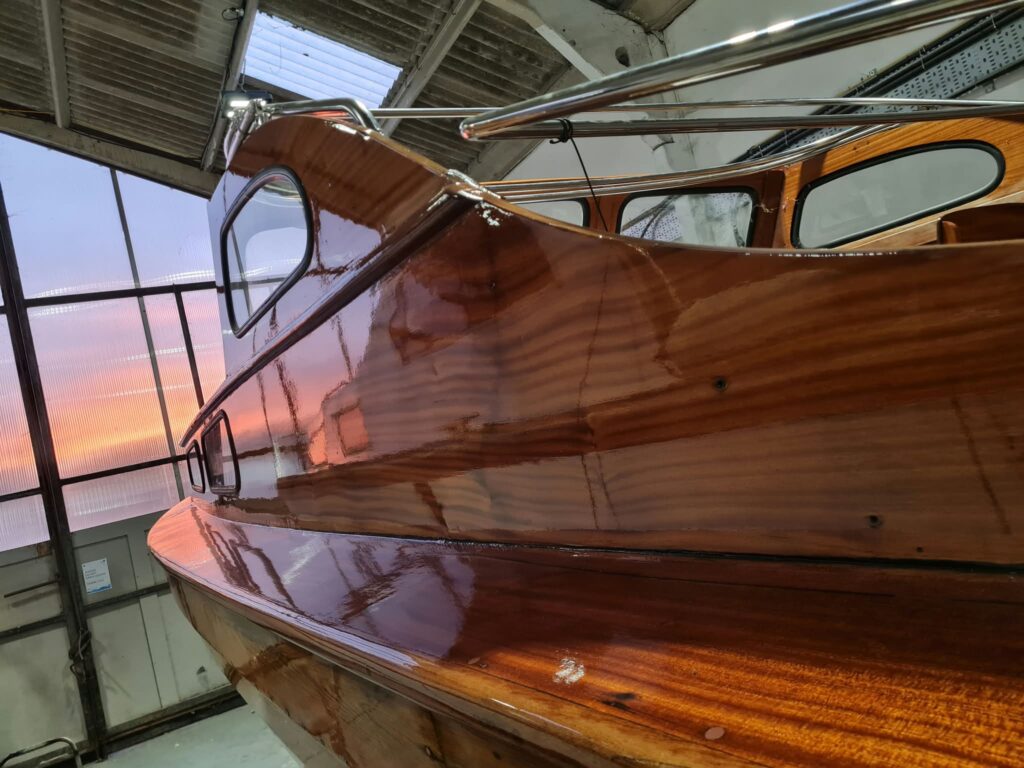
Once we could get space in the shed she came ashore and the real work started. My friend Justin set to on restoring the varnish he’d applied five years ago. Tim’s team repaired a small rotten area in the garboard plank and keelson in the starboard bow and Jo, of Dell Quay Covers, set about templating a new cover to fit the new framing.
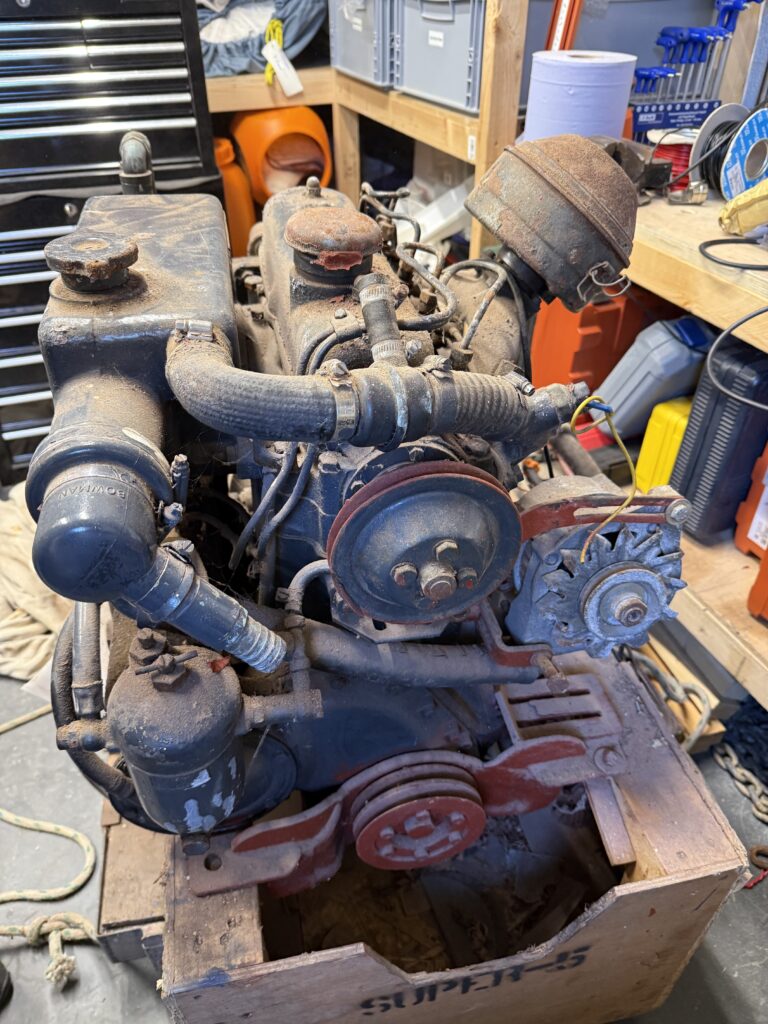
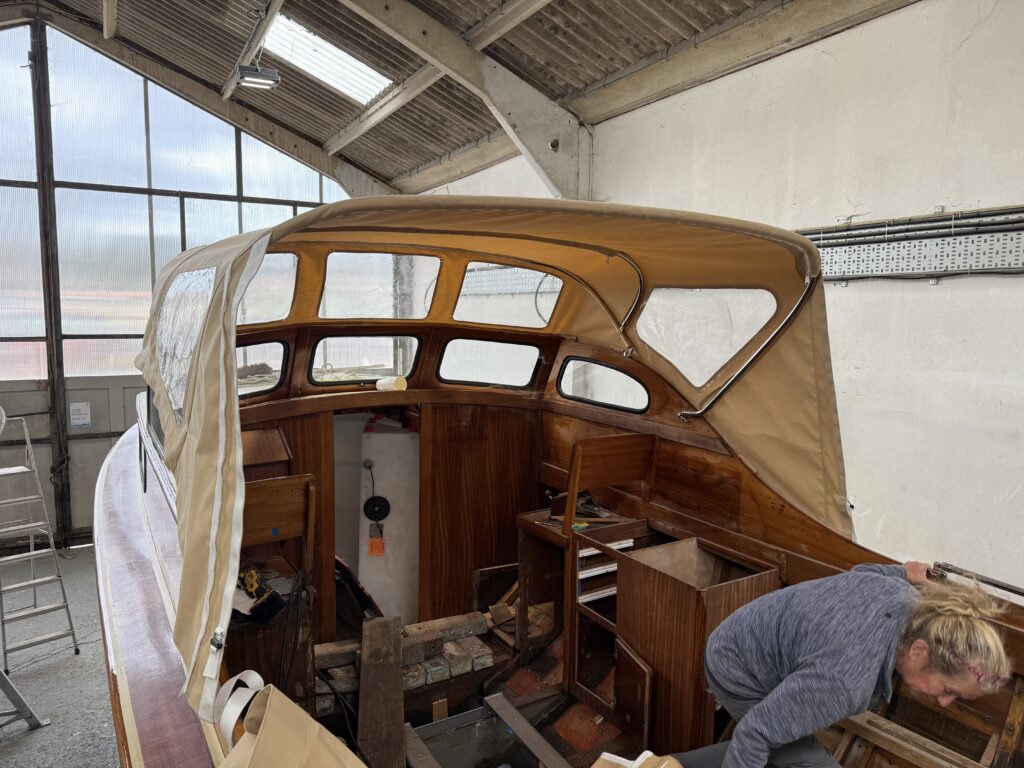
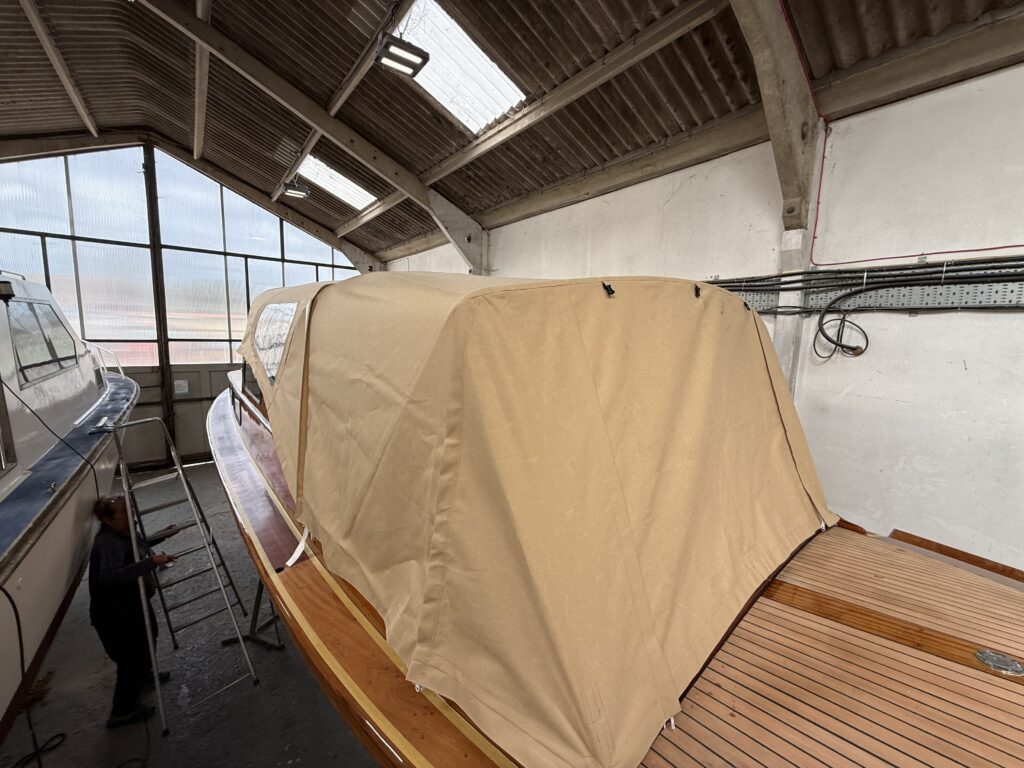
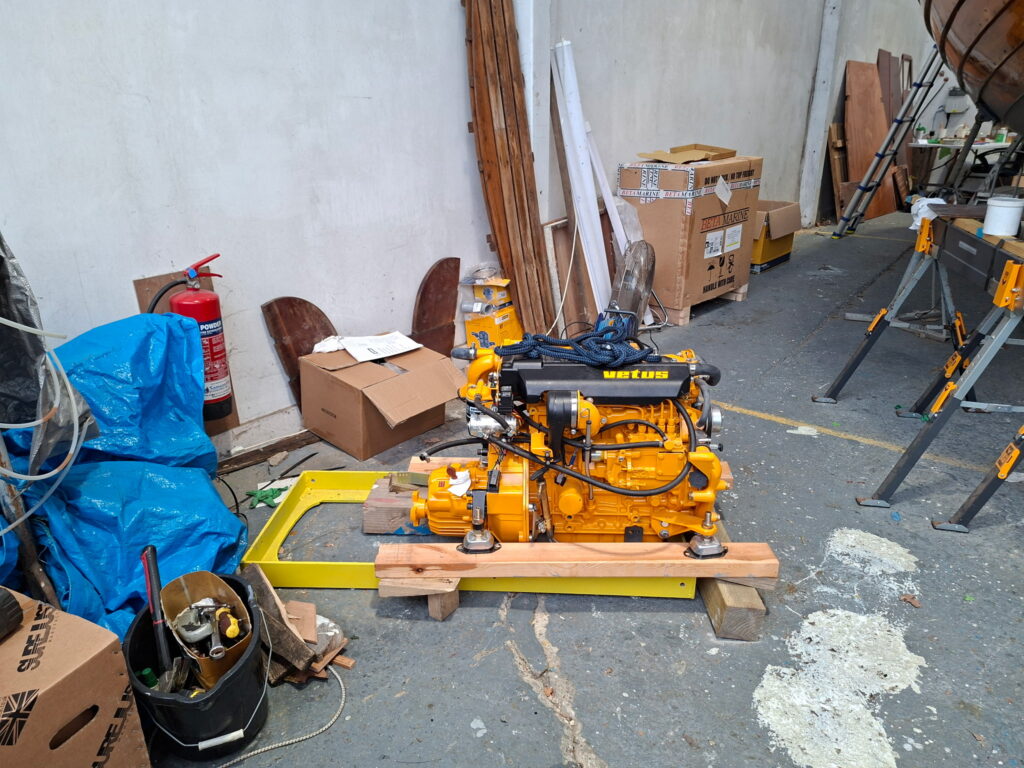
I’d wanted to keep the old engine, which ran well when we tested it. But it was an unknown quantity, and needed lots of replacement parts which would have cost heading for £2000. The new engine was more than that, but is basically the same engine as we installed in Trouper, just with a different fuel pump delivering a bit less power. It’s a Vetus marinisation of a Mitsubishi industrial engine. Trouper’s engine has been a great success, and is very smooth and quiet.
Dick found it very easy to talk me into installing a python drive, with the new prop and shaft we needed. This is essentially a thrust bearing that takes the shaft loads and transfers them into the hull, with a CV shaft connection to the engine that allows the engine to move much more freely on its mounts. The overall effect is much less noise and vibration transmitted from the engine into the hull. Another easy upsell was installing a new hydraulic steering system, rather than the old rod system.
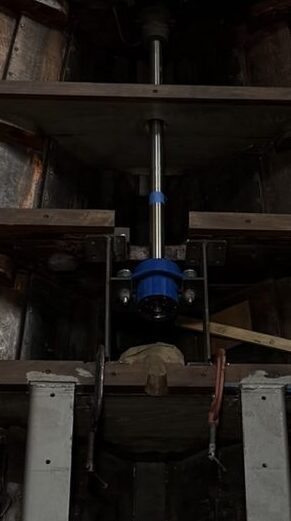
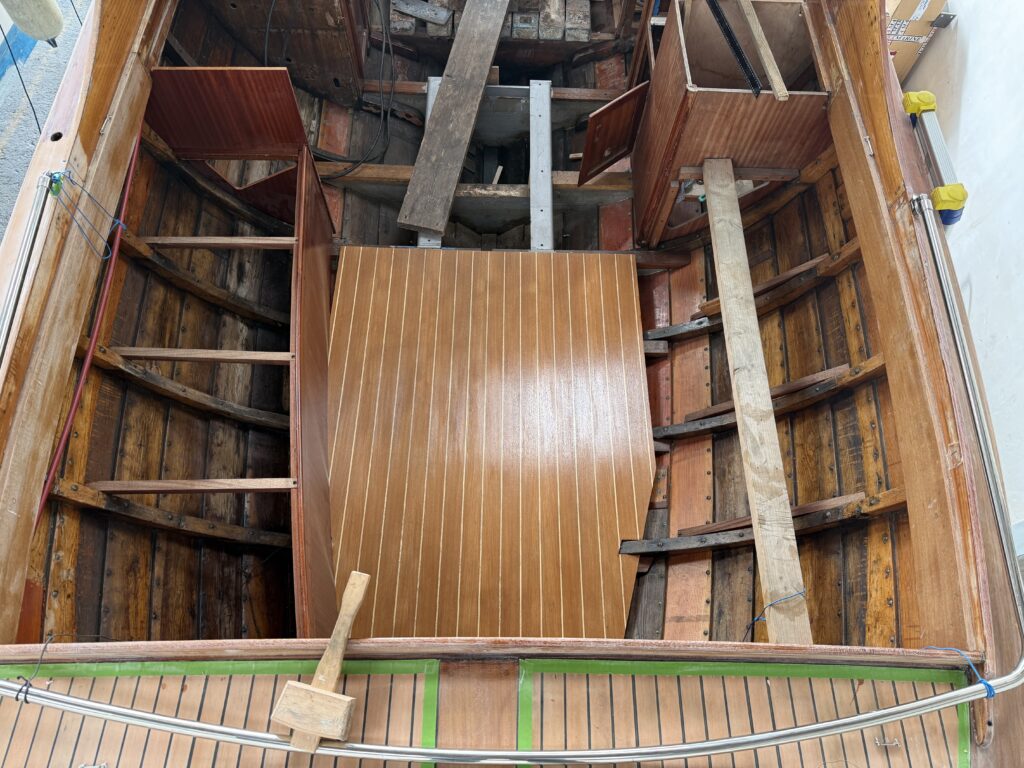
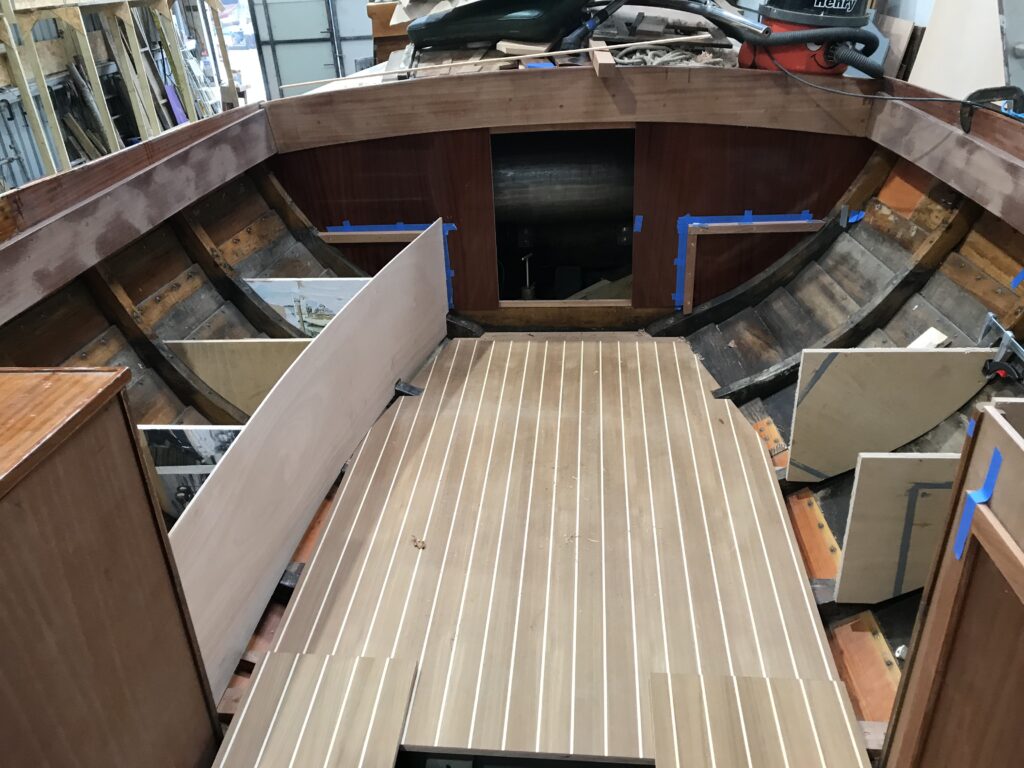
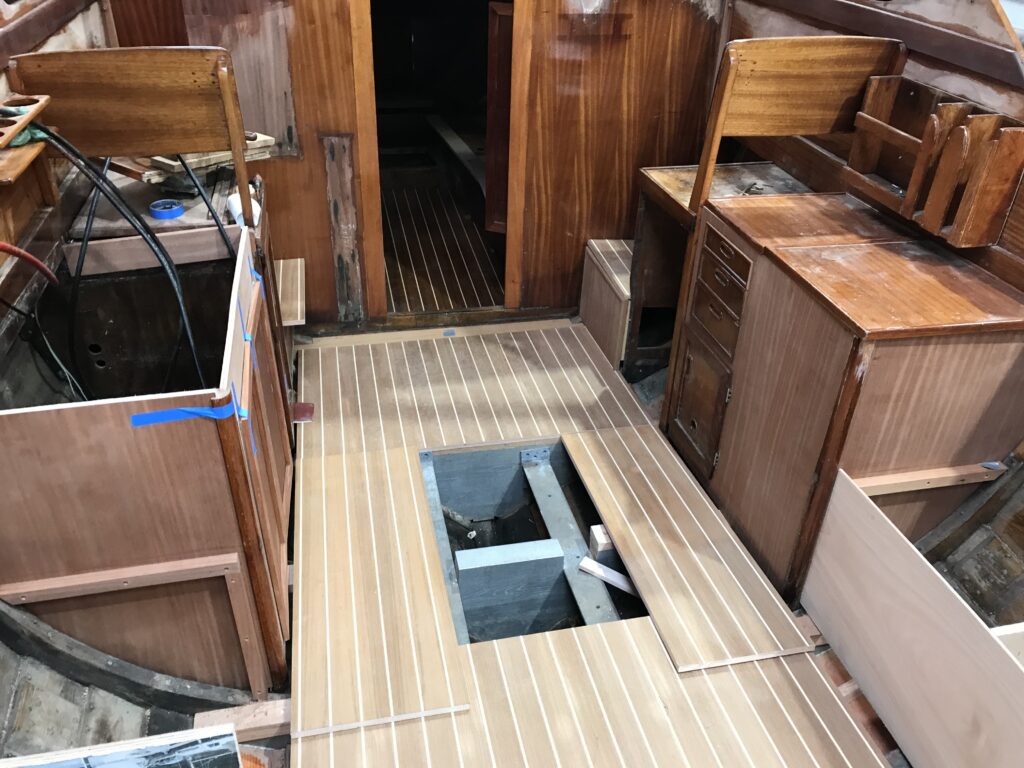
The next steps are to get the new engine in, allowing me to reassemble the cockpit interior joinery. Happily that fits together quite simply, but needs everything to go back in the right order. Before the joinery goes back together we need to run ducts, trunking and hose for electricity, gas, water and toilet. We also need to fit bilge pumps and cut access panels in the sole boards for the seacocks, bilge pumps and stern gland.
The new electrical systems will be a little more sophisticated, with a VHF radio, chart plotter, and the ability to monitor the bilge pump operation remotely (in the same way as I do on Trouper). There are lots of jobs: Tim made a lovely mast that will carry VHF antenna, steaming and anchor lights and maybe even a wind instrument. But before that can go in I need to get Rob to make a tabernacle to mount it to the deck (and it needs varnishing). Then there’s the water and toilet systems where we have lovely new tanks to fit under the cockpit bench seats, but we need all the hoses and pumps. We’ve got a calorifier for the new engine, which should generate hot water when the engine is running. It will go in the lazarette (just) but needs a floor to mount to. And so on.
The plan is to get the boat ready for sea trials which means focussing on the essential stuff: engine, steering, and bilge pumps. Once I’ve got the trunking in place the rest of the electrics can follow relatively easily. I do want to rig a shore power system – I’ve got a nice Victron battery charger that will ensure that the batteries aren’t run flat by the bilge pumps when she’s on her berth (I’m expecting her to leak a bit for a while). But that means I need to sort out the shore power – and if I’m going to do that I may as well do it properly, and provide power to the immersion heater in the calorifier, and a couple of domestic sockets. Which means a mains distribution board and RCD. This is going to keep me busy…